Jump to:
Whether you’re starting a business or getting back in shape, a year-round garden office lets you do so from the comfort of your home. Go for an insulated one, and you have a room to utilise all season.
Keep reading to see if an insulated garden office is for you and your hobbies.
Top Uses of an Insulated Garden Office (More Than Just Work)
One of the main benefits of outdoor rooms is their flexibility. They give you extra space for whatever you need to use them for, such as:
Remote Working Office
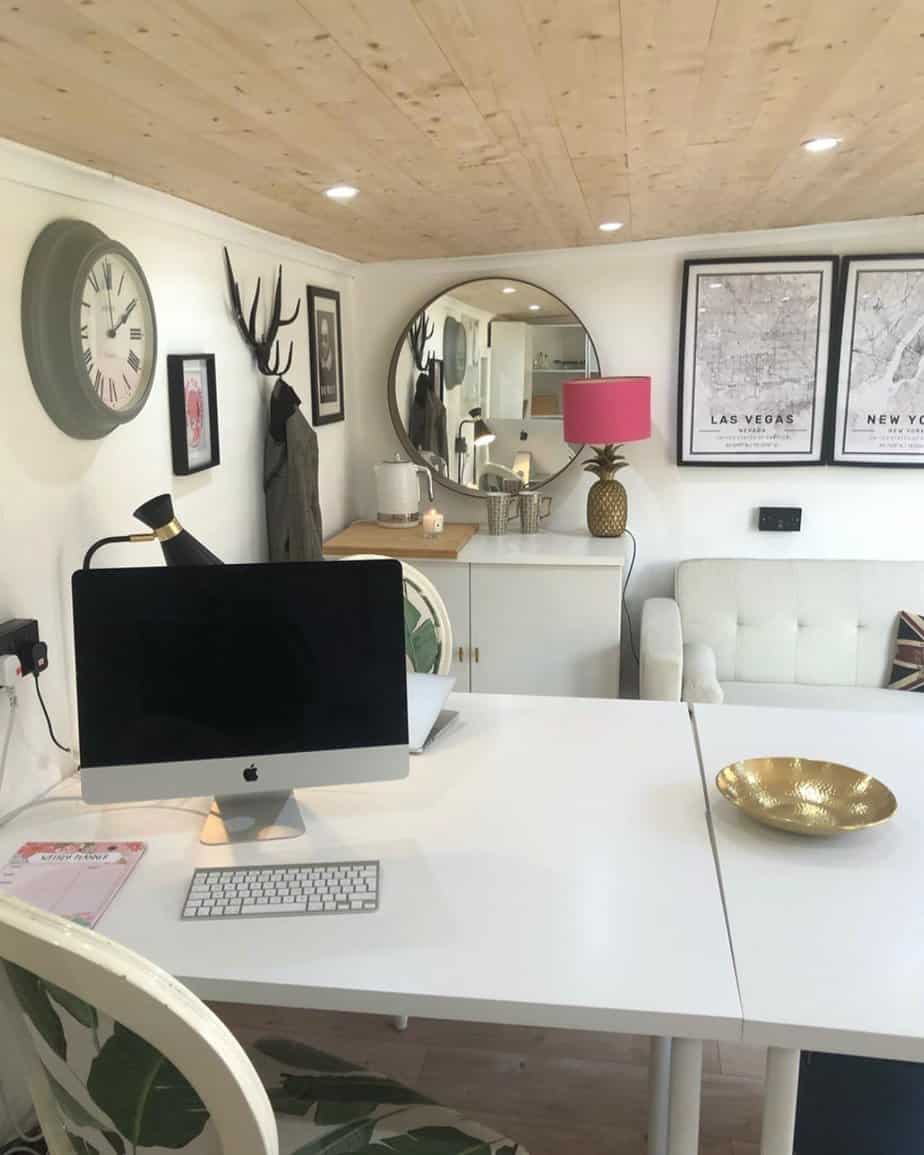
A garden office is designed for remote work and can be tailored to your needs. Even better, it can add value by increasing your home’s usable space. But the real benefit is the time you save on commuting and the chance to be around your family more.
Why not head over to our customer stories to see what they’ve done with their garden offices?
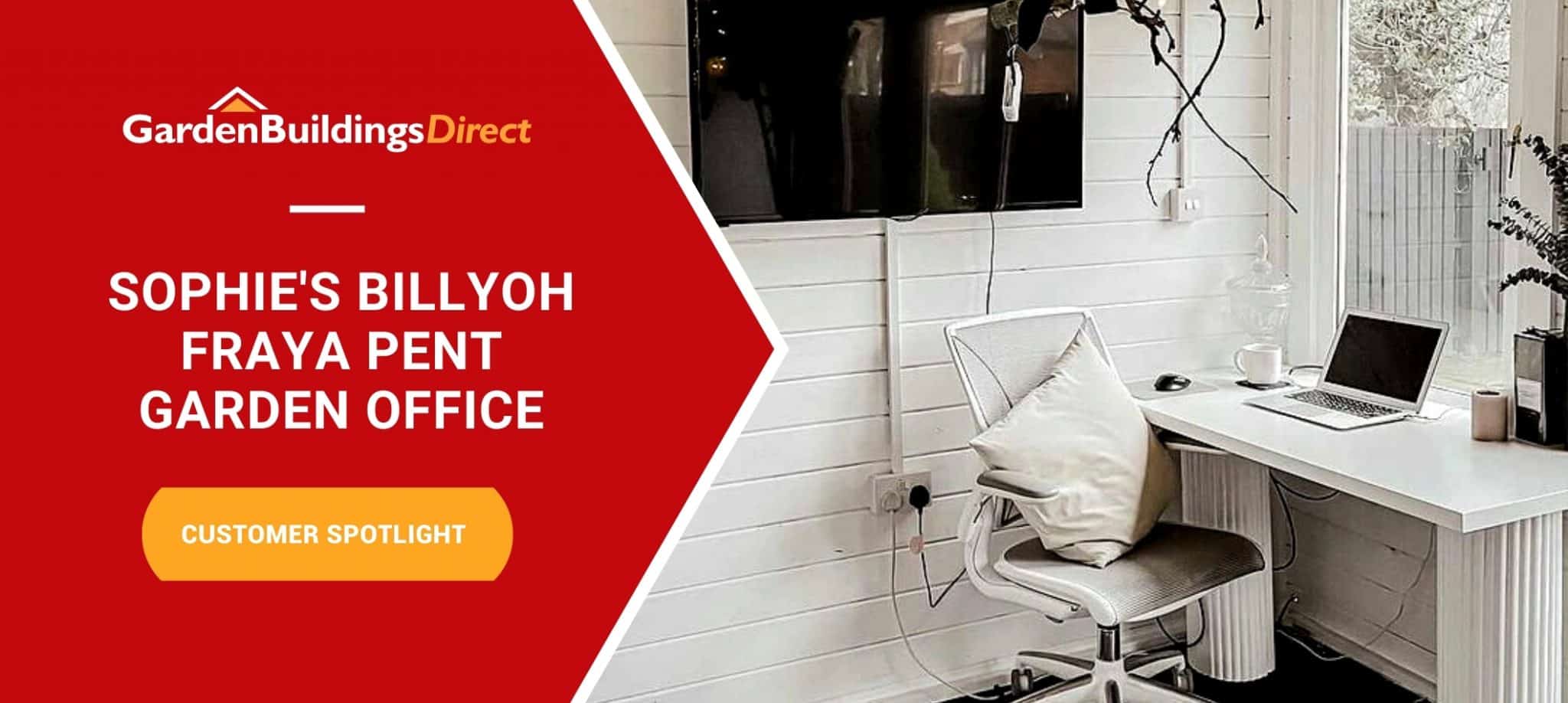
Customer Spotlight: Sophie’s Pent Garden Office
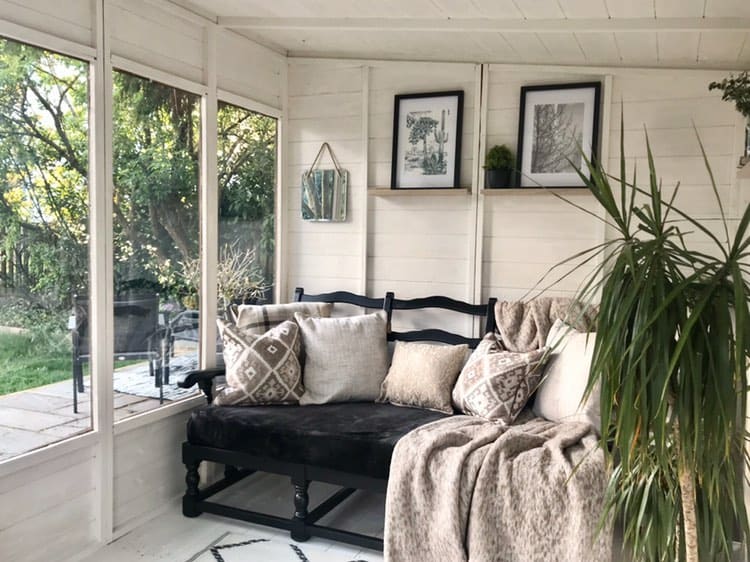
Caption: Sophie is no stranger to interior decoration and renovations, and her Instagram is jam-packed with aesthetically pleasing projects that she’s completed over the years. Honestly, it’s one of the best we’ve ever seen!
Studio
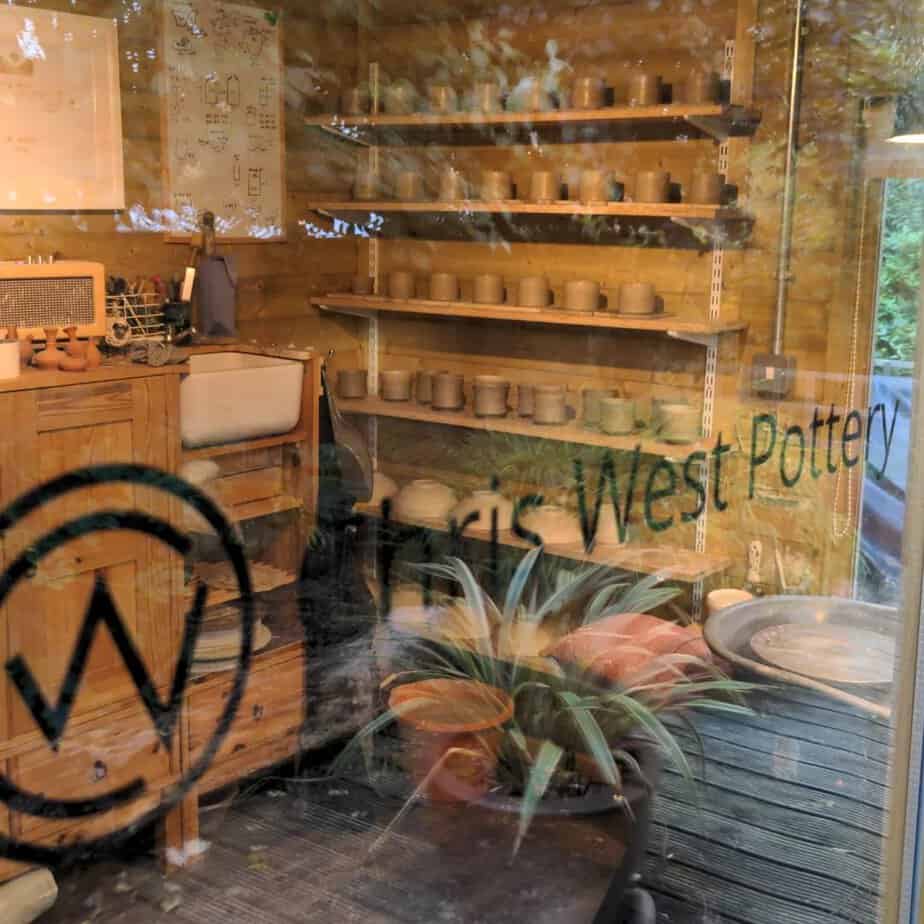
An insulated garden room can be used as a yoga or art studio—or any hobby space you like. You could set up a yoga corner with mats and mirrors. Or an art space with canvases and paint racks. Perhaps a music room with instruments and a recording setup.
The tall doors and big windows (like the BillyOh Fraya) give you a bright, airy space to move, create, or practise comfortably.
Home cinema
If you love movies or have friends and family who do, an insulated garden room is the perfect space. You can set up your own cinema and cut down on the carbon footprint from trips to the theatre.
Your wallet might thank you, too, once you add up fuel, ticket, and snack costs!
How to Set Up a Log Cabin Cinema
Personal gym
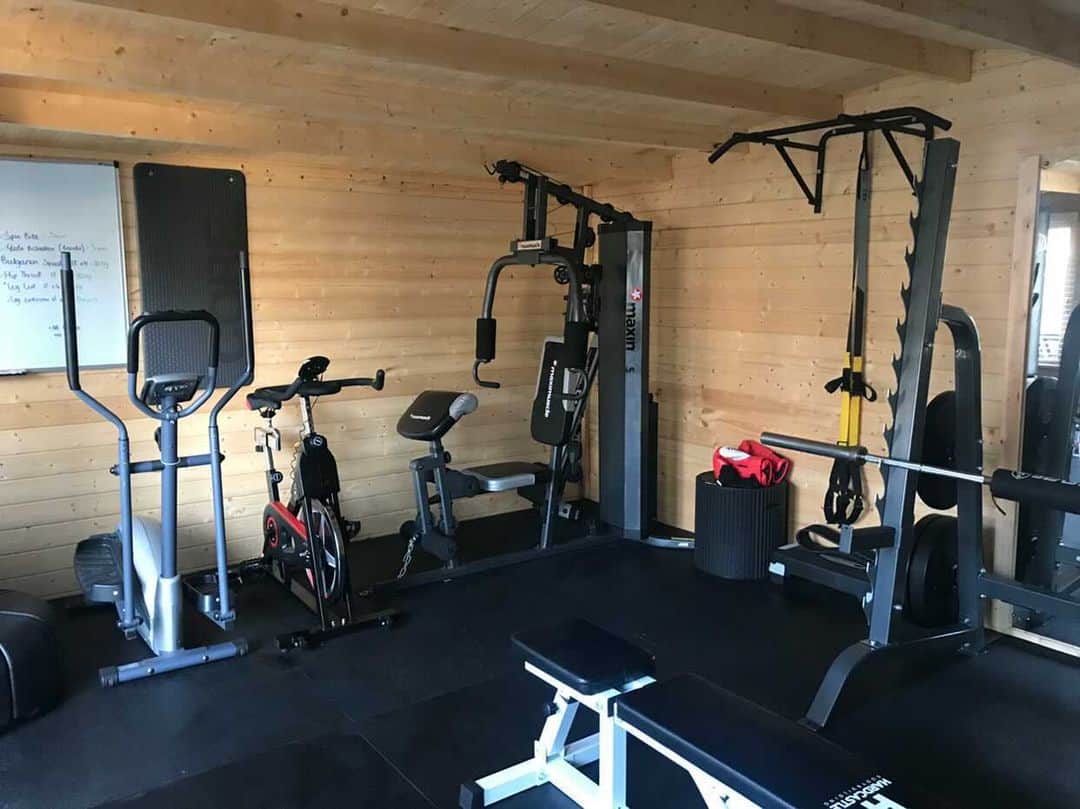
Creating a home gym in one of our installed garden rooms might finally be the excuse you need to stop making excuses!
How many of us join the gym each January, only to get put off by trekking through the rain or driving just to work out? Say goodbye to broken promises with your own home gym. The perks of a garden gym include:
- No waiting for machines
- No journey to the gym
- Closer to the kitchen and healthy, energy-boosting snacks
- Build as big (or small) as you want—how about an office-by-day, gym-by-night?
- No prying eyes
You can use this guide to get more interior ideas: Ultimate Garden Office Interior Guide
Playroom for children
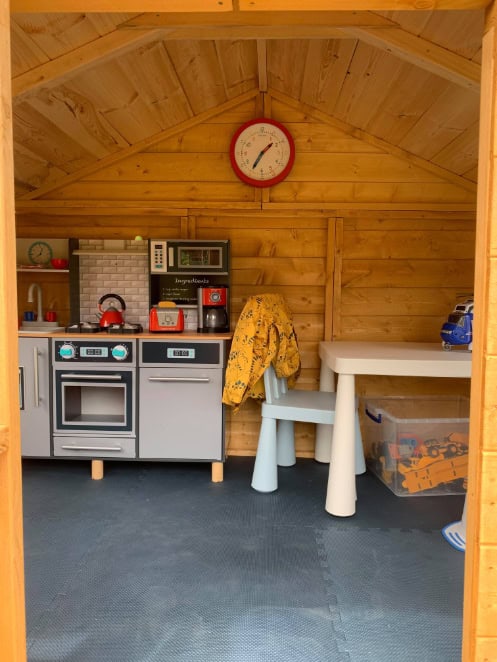
Kids can have their own space to play, imagine, and make a mess without taking over the house. An insulated garden room keeps things comfortable no matter the season. Games, crafts, and indoor adventures can happen anytime!
We’ve also put together some fun playhouse ideas for teenagers if that helps.
Home library
Set up shelves, a comfy chair, and maybe a small desk, and you’ve got your own quiet retreat. Big windows let in light and garden views, making it easy to get lost in a book without leaving home. If you can, add a small record player or reading lamp to make it feel like your own little corner of the world.
Need a little nudge to consider this idea?
Garden Library – Why You Should Build One and How to Do It
Insulated Garden Room Considerations
Keep these in mind. If even one fits, you can make an insulated garden room work on your property.
Size
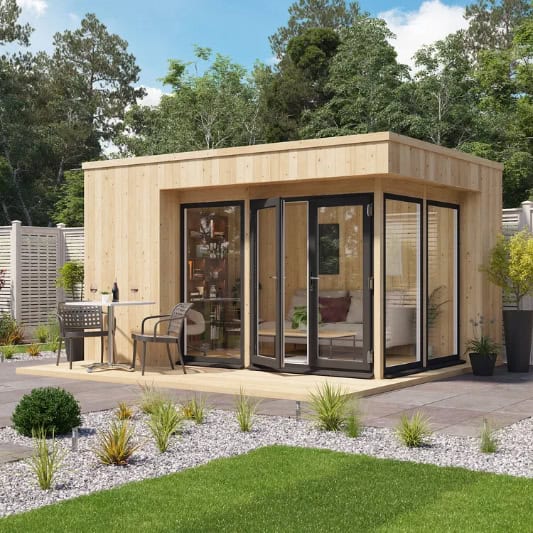
The first thing you need to decide is: how big do I need my insulated building to be?
- Are you planning on having clients come for meetings or appointments?
- Does your office pod need to house more than one employee (or even business)?
- For leisure: do you want to cater for guests regularly?
Mark out a space in your garden and walk around it. Determine how many people can be in your insulated office or studio at a time and what’s comfortable.
Budget
You want to find a middle ground between budget and quality, where your building starts to pay for itself after a few years. That may be from saving on fuel to the cinema or not commuting, which uses up around a whole week of your life and almost £2,000 a year on average!
We said that quality costs, and it does. The best-insulated garden offices are also among the most expensive. Overall, check if a fully insulated building fits your budget. With 10-year guarantees and 15-year guarantees on our pressure-treated models, a garden office is a long-term investment.
For a full breakdown of garden room costs in the UK:

A Full Comparison Of Sheds vs. Cabins vs. Insulated Garden Rooms
Shed, cabin, garden room..it’s hard to know what to pick, isn’t it?
Tip: Bespoke insulated garden rooms come with a higher price for their quality. If you only need a space for the warmer months, a summer house might be a better fit.
Design and layout
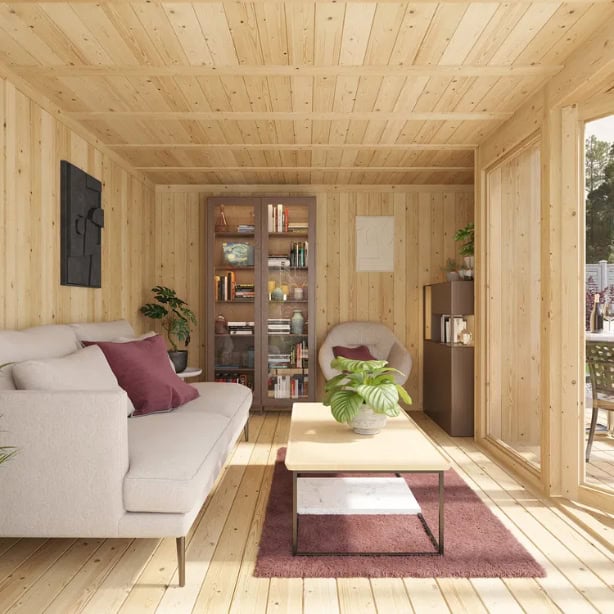
Thoughtful design and layout make the workspace efficient and inspiring. Arranging furniture, storage, and equipment well helps you stay productive. Plenty of natural light from insulated windows also makes it a pleasant place to spend time.
Electrical wiring and lighting
Good wiring and lighting make working in your garden room much easier. Plenty of outlets and well-placed lights mean your electronics run smoothly. Plus, you can get your work done without distractions.
Top 5 Questions to Consider Before Installing Garden Building Electricity
Heating and cooling systems
Good insulation helps keep your garden room comfortable all year. We recommend adding an electric stove or portable heater for winter. A fan or small air conditioner for hotter months also helps. Even a few vents or a dehumidifier can make a difference in keeping the room nice to stay in.
Connectivity
Nothing is worse than losing Wi‑Fi in the middle of work. Insulated walls can block signals, so you might need a booster or make sure your router reaches the garden room. That way, you can stay connected without interruptions.
Office Design: How to Suit Your Garden Office to Your Job
Security and safety measures
Insulated garden rooms should prioritise security and safety. Reinforced doors and windows, plus secure locks, help keep unwanted visitors out.
Using fire-resistant insulation and adding smoke detectors also makes the space safer, giving you peace of mind while you work.
Insulation Materials
If you decide to go for it, the materials you use can vary. Your choices include everything from Celotex and Kingspan insulation boards that fit in between wall, floor and roofing panels, to wool insulation. There are even some budget-friendly methods to insulate your office after construction.
Even something as simple as installing a low-energy heater and using a draught excluder can help a bit. Keep scrolling for some quick explanations of what’s on offer.
SIPs and walls
One of the largest surface areas of your outdoor office that has contact with the outside air is its walls. To reduce heat loss at this point of your thermal envelope, you really need some solid insulation.
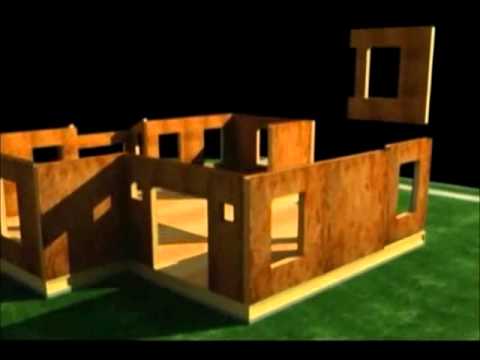
Structurally insulated panels (or SIPs) are comprised of foam insulation sandwiched between two panels of interior and exterior cladding. They’re a high-quality building material used in residential and commercial construction. The benefits include:
- Excellent thermal regulation
- Combats damp and moisture build-up
- Structural strengthening
- Improved air quality
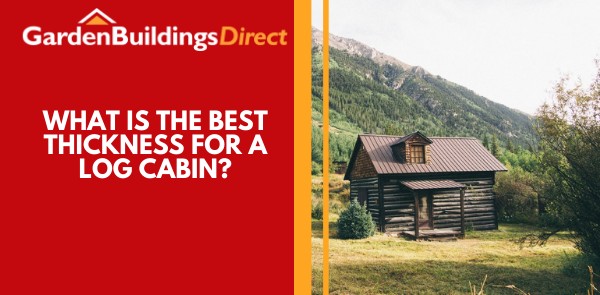
All About Cladding Thicknesses
Caption: All About Cladding Thicknesses. There are various ranges for your log thickness. Starting at 19mm, going up to 28mm, 44mm and even 65 and 66mm. All of these will offer different strengths and levels of insulation.
Roof membrane
If, like our fully-insulated garden office options, your building utilises tongue and groove panels, they’ll need a cover.
Whilst shingles, felt, and even roof tiles are suitable for most garden buildings, a roof membrane can help regulate temperature and protect against water ingress and dampness.
For flat roofs, ethylene propylene diene monomer (EPDM) is a top-of-the-range option that’s:
- Fully waterproof
- UV-resistant
- Flexible
- Resistant to becoming brittle due to changing temperatures
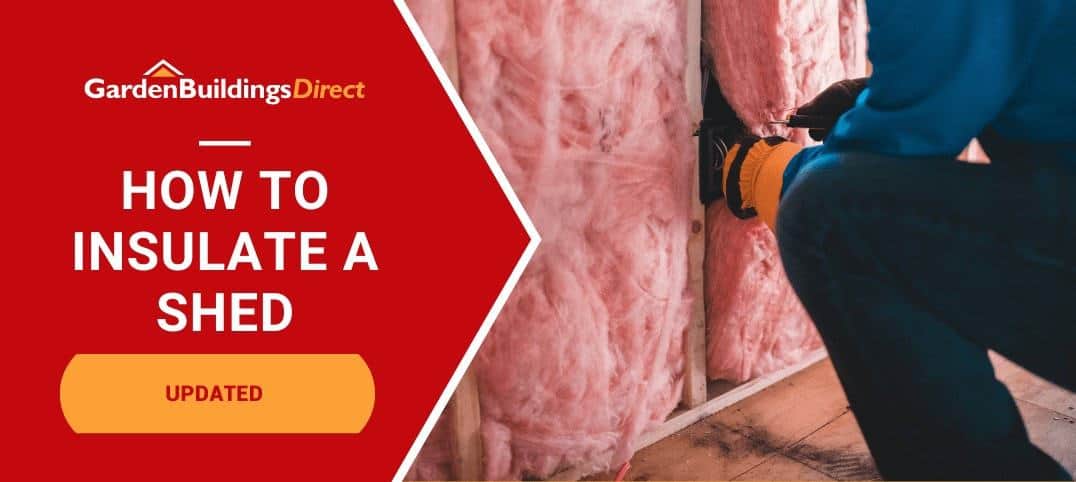
Double-glazed windows
If you want a bright and airy space in your garden office, then it’s a given that you’ll want large windows and even a glass door.
Double-glazed windows are comprised of two panes of glass with a gas-filled cavity between them. Due to the spacing of particles in a gas, heat transfers more slowly both into and out of the gas. This means that your office would stay cooler in summer and warmer in winter.
Doors
As we just mentioned, if you’re investing in a home office, you’ll want glazed doors to see your garden, your kids playing, and sunlight in general.
And if you’re entertaining or hosting clients, double doors act as a real statement piece.
Floor insulation
Contributing to around 10% of heat loss, the floor is another area to consider when buying or building a fully insulated garden room.
Kingspan or foil-backed logs and pressure-treated bearers can help to reduce heat loss and combat moisture build-up from the ground.
Treatment
Pressure treatment can help keep flooring dry, but it won’t do much for insulation. Treating the wood can still protect your garden office from cold, wet winter weather.
Another option is an insulated garden office with composite cladding. It’s low‑maintenance, doesn’t need treating, and is waterproof – perfect for exterior walls.
Environmental Impact of Insulated Garden Office/Room
A garden building like this can be more sustainable, which you can take advantage of:
Energy efficiency
With proper insulation, you need less heating or cooling. That saves energy and helps reduce your carbon footprint.
Reduced commuting
Working from a garden office reduces commuting, lessening traffic congestion and air pollution. This shift promotes greener transportation habits and contributes to cleaner air.
Solar potential
An insulated garden office can be designed to incorporate solar panels. Meaning it can harness renewable energy to power the workspace. Moreover, it can potentially feed surplus energy back into the grid.
Longevity and adaptability
Durable insulation materials extend the lifespan of the garden building. This reduces the need for replacements and associated resource consumption.
Planning Permission
Most garden offices don’t need planning permission if they’re single-storey and fall under ‘permitted development.’ However, you’ll need permission if:
- You plan to use it as a permanent home (like a garden bedroom)
- It takes up more than half of your garden
- It extends beyond the main house’s original walls
Rules can vary depending on your area or previous extensions; check with your local planning authority (LPA).
Our buildings are designed to meet these rules, so you can install one without the usual delays. They’re built with heights and roof designs that comply with permitted development.
FAQs
How does insulation work with an EPDM roof coating?
EPDM roof coating, as used on our fully-insulated garden office, is a rubber membrane that stretches across the roof. Resistant to becoming brittle in changing temperatures, UV rays, and water, it offers waterproofing and insulating qualities.
How do I install insulation in my garden office?
Depending on the size, material, and construction method used in your garden office this will vary. To insulate a garden office you will need to protect the walls, roof, floor, window and door frames, and any exposed areas. Your options include using a vapour barrier membrane, using insulation batts or boards in the floor, wall, and roof cavities, and sealing any gaps with caulk.
If you have already built your garden building, this will be a lot harder. If you're looking to build a garden building you should consider consulting a professional installer or opting for a ready-insulated office.
What's the best insulation for a garden office?
Different insulation materials may work better or use due to their malleability (to fit in awkward spaces) and U-value (how well they block thermal transmittance). Other factors like price and whether or not they're comfortable and easy to work with (like fibreglass insulation which we'd advise against) may inform your decision.
For our fully-insulated garden office, we like to use EPS foam insulation for its structural integrity and lightweight and insulating properties.
Do I need planning permission for a garden office?
No - our garden offices have been measured and designed to fall under 'permitted development' - meaning they won't require planning permission. This may vary due to where you live, where you plan o situate your office, and how much of the original garden space it'll take up. We advise consulting our guide to planning permission on our blog or your local council before buying.
What insulation do you use in your cabins?
Our log cabins and garden offices come with various cladding thickness options for better structural integrity, weather protection, and insulation properties.
Our Outpost insulated cabin comes with:
- Fully Insulated With High-performance Multi-foil Insulation
- 14mm Double Glazed Windows For Year-Round Use
- Thick 66mm Insulated Panel Construction
and our fully-insulated garden office comes with:
- 65mm foam-insulated walls
- Fully Insulated With High-performance Multi-foil Insulation
- UPVC 27mm Double Glazed Doors and Windows
- 19mm log floor foil insulated as standard
- 45mm Foam Roof insulation, with 11mm Tongue and Groove boards
- High performance and protective EPDM rubber roofing
How much value does a garden room add?
Garden rooms can add around 1.5x their own value to your property. They can be a draw to potential buyers who don't want to or can't build an extension due to time and financial restraints. However, the real way you'll make money back on your garden office is by using it yourself and saving on community costs, gym memberships et cetera whilst gaining invaluable time closer to home.