Jump to:
Wood has long been the go-to material for sheds, with metal and plastic following. There’s a reason for that. For starters, they have a classic, clean aesthetic.
They provide a place to store tools, pots, and outdoor items that would otherwise be scattered. That said, buying one often comes with a few questions. This guide covers the most common ones to help you get the best value when investing.
Wooden Shed FAQs Answered
Let’s start with…
What is the best wood for building a shed?
The best wood for building a shed is one that’s strong, durable, and resistant to rot and decay. Some of the most commonly used types of wood are cedar, redwood, and pressure-treated pine.
Cedar and redwood are both naturally resistant to rot and decay. They’re also both known for their beautiful colour and texture. Yet, it can be more expensive than other types and may require more maintenance over time.
Pressure-treated pine, in contrast, is a more affordable option than cedar and redwood, though ‘redwood’ in the UK often refers to ‘redwood-grade pine softwood’. It’s treated with chemicals that make it resistant to rot and decay, which can extend its lifespan.
In the guide below, we covered several more materials for the cladding that might help: The Best Wooden Shed Cladding Ideas
How long do wooden garden sheds last?
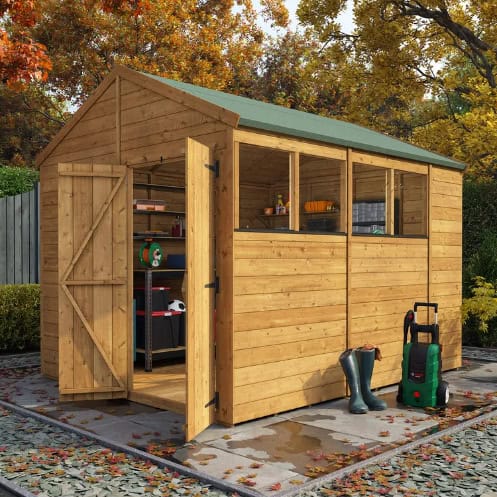
The lifespan of a wooden shed can vary depending on several factors. These include the quality of the wood, the level of maintenance, and the climate.
Generally, a well-built and -maintained timber structure can last up to 20 years or more. Garden Buildings Direct offers pressure treatment for a longer anti-rot guarantee.
Read this guide for more detail: How Long Does a Wooden Shed Last?
How do I maintain a wooden shed?
To maintain wood storage sheds, regular maintenance is essential. Clean it whenever necessary, such as every changing season. Inspect for any signs of damage and treat with a wood preservative for anti-moisture. For the latter, a protective coating also works wonders.
Also, ensure that the shed has proper ventilation and that the roof and gutters are free of debris. Check the roof for missing shingles or cracked tiles and repair them as needed.
Read the full checklist: How to Maintain a Shed
Can you paint a wooden shed?
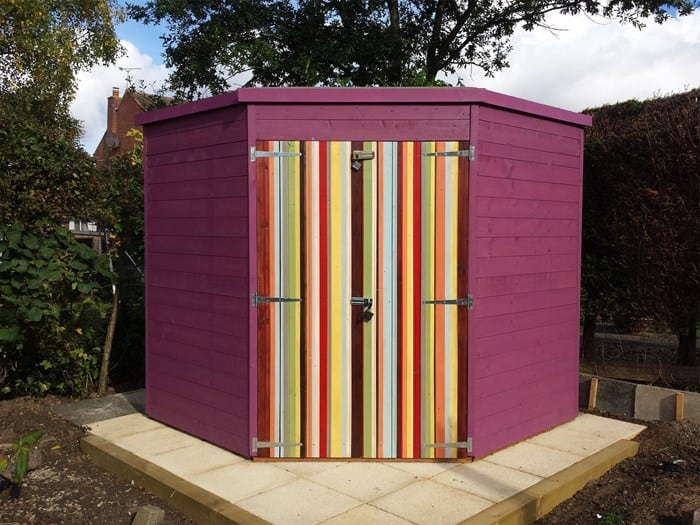
Yes, and in fact, doing so can help protect it from the elements and prolong its lifespan. Use a high-quality exterior paint that is specifically designed for wood.
Make sure the shed’s surface is clean and dirt-free. Use a good-quality paintbrush and a paint roller to apply the paint evenly. At least two coats ensure a smooth, attractive finish.
Tips: Things to consider if yours is pressure-treated: Painting Pressure Treated Wood – How to Do it Right
Are wooden sheds waterproof?
Wood storage sheds aren’t completely waterproof. However, they can be made water-resistant, or at least resistant to damage caused by water, with proper treatment and maintenance. Annually re-coating is recommended, unless you have a pressure treated shed.
Applying a water-resistant coating, for one, will do the trick. Also, sealing gaps or cracks and ensuring proper drainage can help keep the interior dry.
How do you secure a wooden shed?
Securing your storage solution helps protect your belongings from potential theft. When it comes to security, you can use a combination of locks, hinges, and bolts on the doors and windows. Even better, install an alarm system or motion-activated lights to deter intruders.
A padlock hasp can provide additional security. Install it on the door to make it more difficult for someone to break in. And suppose your shed has windows or vents; make sure to secure them with locks or bars to prevent entry.
What is the cost of wooden garden sheds in the UK?
The average cost can vary depending on the size, quality of materials, add-ons, and brand. As a rough estimate, a basic wooden garden shed in the UK typically starts at around £300 to £400. Larger or more high-end models can cost upwards of £1000 or more.
The cost of installation and planning permission can also add to the overall cost. Do your research and shop around to find the best quality and value for your budget.
How long does it take to build a wooden shed?
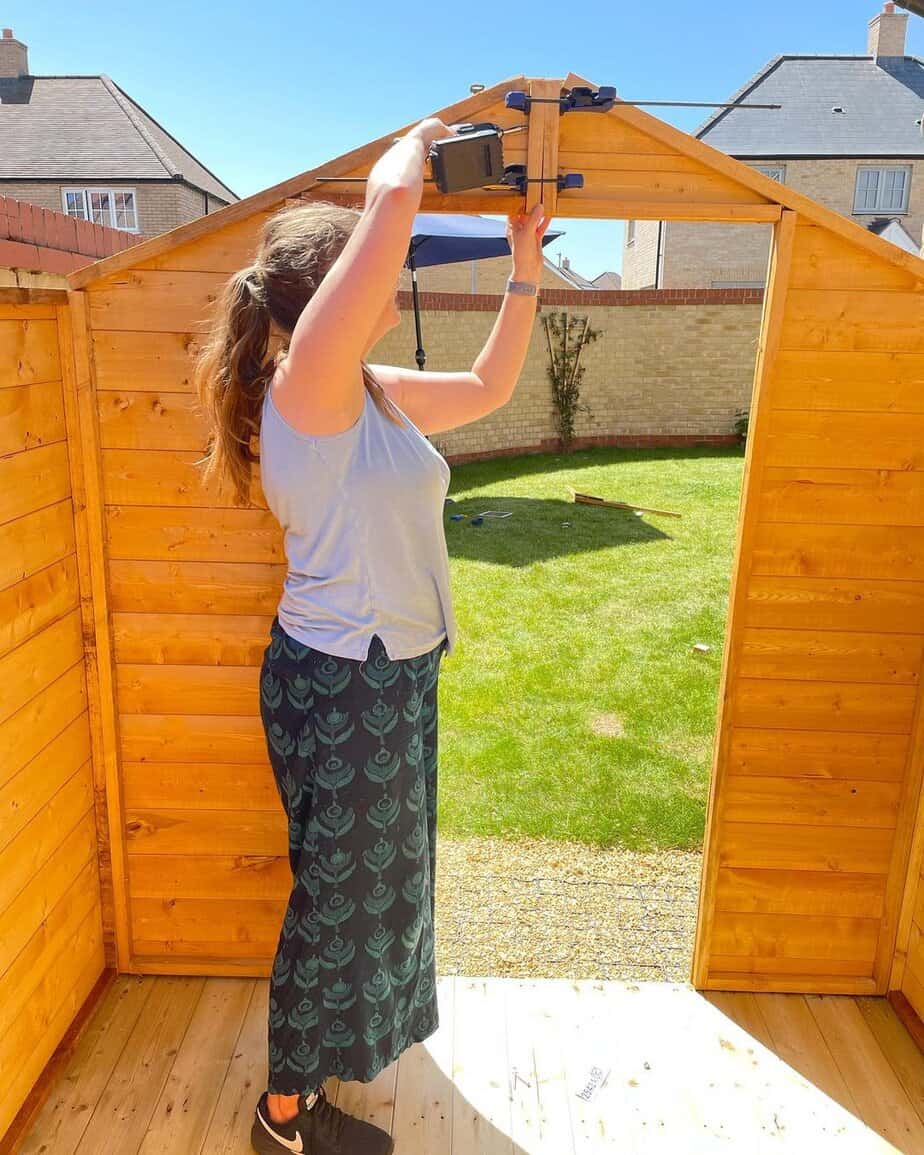
This will depend on the size and complexity of the shed, your skill level, and the amount of time you can dedicate. A simple wooden shed with basic features and a size of around 6’ x 8’ could take 1-2 weekends to build. Assuming you all have the necessary tools and materials ready to go.
More complex or larger sheds could take longer. Plan and give yourself enough time to complete the DIY without feeling rushed.
Note: Building your own shed can be very rewarding. But if you’re unsure of your abilities or lacking tools, hiring an experienced craftsman may be worth it.
Can I build and/or install a wooden shed without planning permission?
In the UK, you may be able to build or install one without planning permission, but it varies. Permitted Development rights allow some small buildings to be completed without it. Here are some general guidelines to follow:
- The shed must not take up more than 50% of the total area of your garden.
- It must not be more than 2.5 metres high at its highest point if it’s within 2 metres of a boundary.
- If it’s more than 2 metres from a boundary, it is restricted to 2.5m at the eaves (lowest part of the roof) and 4 metres at the ridge (highest point of the roof) for a dual-pitched roof or 3 metres for any other type of roof.
Some land will always require planning permission for outdoor developments, while others will be subject to a different set of rules depending on how the property is categorised. It’s always best to check with your local council’s planning department to be 100% certain. They can provide you with specific guidance and advice based on your situation.
For the full details, check out our extensive expert guide to shed planning permission.
What is the difference between wooden, plastic and metal sheds?
Wooden sheds are the traditional option and offer a natural, classic look. They are customisable and can be easily painted or stained. But they require regular maintenance to prevent rot and decay.
Plastic sheds are lightweight, durable, and low-maintenance. They are typically made of polypropylene or PVC and can be easily assembled. However, they lack the charm and character of wooden sheds and may not be as strong as metal sheds.
Metal sheds are sturdy, long-lasting, and easy to look after. They are typically made of galvanised steel and are resistant to rust and decay. They can be more expensive, though.
Can I customise the design of a wooden shed?
Yes, wooden sheds can be customised to suit your specific needs. You can choose from various designs, sizes, and features. Many manufacturers offer customisable options, such as adding windows, doors, or partitions. With such options, you can create a shed that fits your needs.
How do I choose the right shed size?
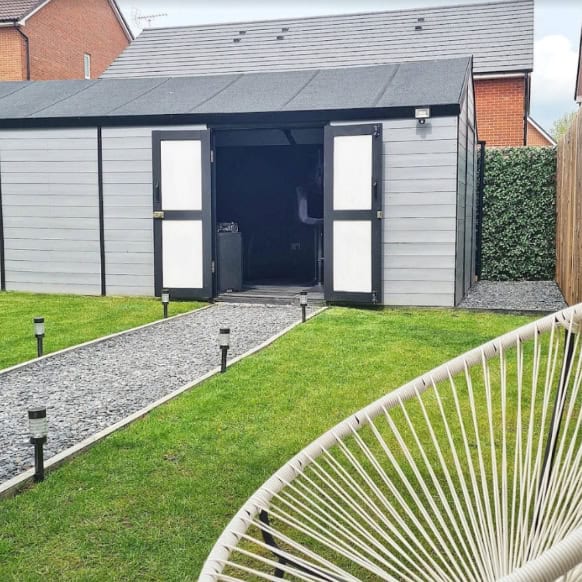
To choose the right size for your wooden shed, consider what you plan to store or use it for. Measure the space available in your yard. Ensure the shed fits comfortably without obstructing other structures. Also, think about future needs and allow for additional storage. Consider factors like height, width, and depth to determine the ideal size.
Can I install electricity in a wooden shed?
Yes, it is possible to install electricity in a wooden shed. However, this typically requires the assistance of a qualified electrician. They can assess your shed’s electrical needs and ensure compliance with Part P of the Building Regulations.
Learn more: How to Run Electricity to a Shed
Are wooden sheds susceptible to pests?
Wooden sheds can be susceptible to pests if not properly protected. Most commonly, in the UK this includes woodworm beetles and fungal rot. To prevent infestations, use pressure-treated timber or naturally resistant woods.
Regularly inspect the shed for any signs of pests. Take preventive measures like sealing gaps and cracks to keep the area around the shed clear. Use pest deterrents or treatments as necessary.
How do I prepare the ground for a wooden shed?
Preparing the ground for a wooden shed involves several steps. Start by clearing the area of debris and vegetation. Level the ground using a shovel or rake, ensuring it is flat and stable.
Consider using a gravel or concrete foundation for better stability and drainage. Alternatively, use pressure-treated lumber as a base. This can help elevate the shed and protect it from moisture or water damage.
Here’s a step-by-step guide for building a shed base.
Can I use a wooden shed for purposes other than storage?
Yes, wooden sheds can serve various purposes beyond storage. They can be converted into workshops, home offices, and hobby spaces, to name a few.
The key here is to customise the interior layout and add insulation.
Are there any building codes or regulations for wooden sheds?
Yes, there are building codes and regulations that may apply. The specific requirements can vary depending on your location. Thus, ensure to check with your local building department or relevant authorities.
What are the typical warranty options for wooden sheds?
Warranty options for wooden sheds can vary among manufacturers. It is common to find warranties ranging from a few years to a lifetime. Warranties often cover manufacturing defects, structural integrity, and rot or decay resistance.
Keep in mind, though, that warranty terms and conditions differ. Read and understand the warranty policy provided by the manufacturer or supplier.
Are there any eco-friendly options for wooden sheds?
Yes, there are! You can choose sheds made from sustainably sourced or reclaimed wood. This alternative is perfect if you wish to reduce your environmental impact.
Additionally, some manufacturers offer sheds treated with environmentally friendly preservatives or finishes. Choosing a shed with good insulation can also contribute to energy efficiency.
How do I anchor a wooden shed to prevent it from being blown away in strong winds?
Anchoring a wooden shed is essential to prevent it from being blown away in strong winds. The most common method is using ground anchors secured to concrete footings. These anchoring systems provide stability and keep the shed firmly in place.
Are there any fire safety considerations for wooden sheds?
Fire safety is important when it comes to wooden sheds. To reduce fire risk, avoid storing flammable materials or hazardous substances. Install smoke detectors and fire extinguishers for early detection and quick response.
Consider using fire-resistant materials for the shed’s construction. Take fire-rated siding or treated wood, for example. Maintaining proper clearance from other structures and vegetation can also help.
A similar article that covers fire safety: Installing a Wood Burner in a Shed
Round-up
A wooden shed can be a worthwhile investment, be it a small garden storage or a larger workshop. If you’re considering purchasing one, browse our extensive range below: