Jump to:
Plastic sheds are lightweight and seemingly sturdy on their own. But like most garden buildings, they need a strong base for stability. Otherwise, various issues can arise, and you wouldn’t want us to start with those. Here’s what you need to know.
The Importance of Solid Plastic Shed Base
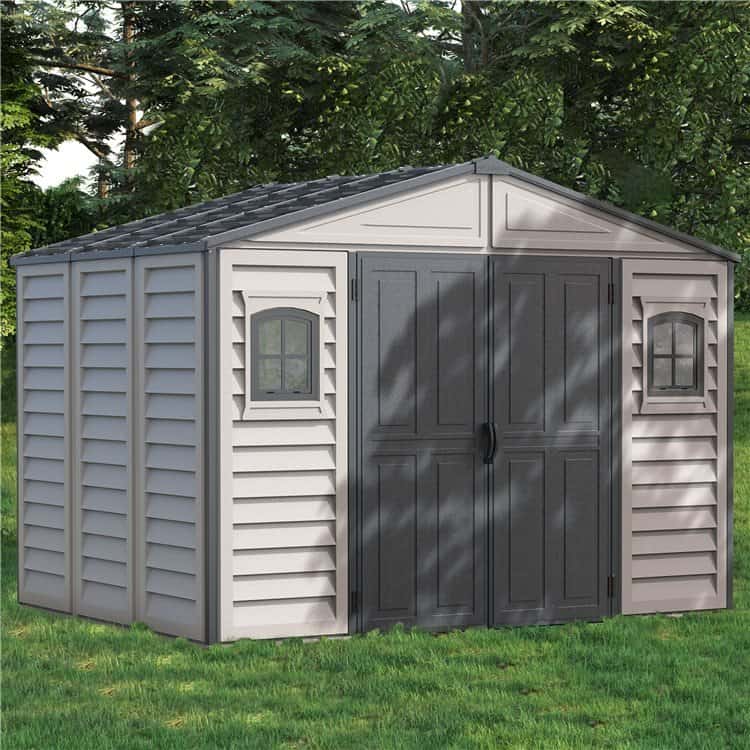
The base provides a stable and level surface for the shed to sit. It helps distribute the structure’s weight evenly and reduces the risk of sinking or tilting. It also prevents moisture issues by allowing airflow under, preventing water from pooling. In essence, it keeps the shed standing strong and moisture-free for years to come.
What happens without it?
The shed’s structure can deteriorate faster without support. This can lead to potential damage or collapse, especially in strong winds or heavy rain. Moisture can also seep underneath, which can encourage mould in shed.
If the structure isn’t on an uneven surface, it won’t be easy to open doors and windows properly. This, in turn, can impact the overall usability of the space.
When Is a Plastic Shed Base Necessary?
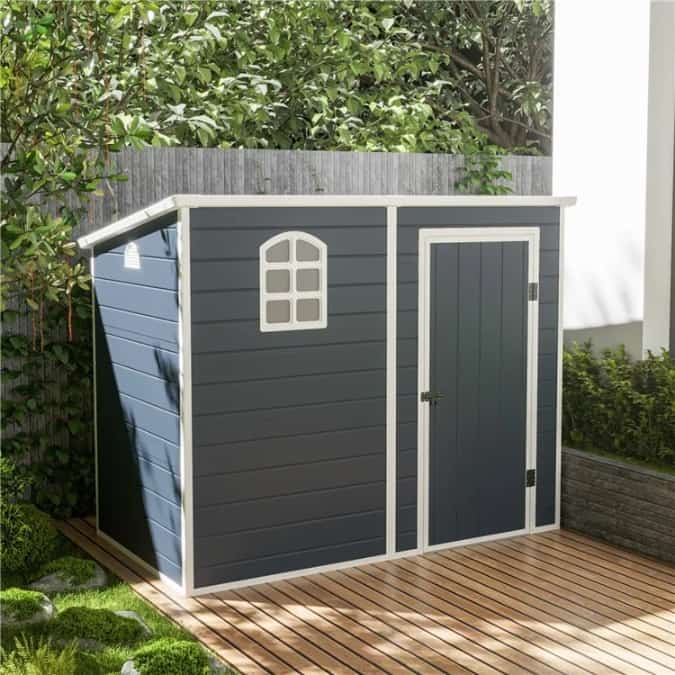
A shed base is always necessary, with these factors becoming even more important when:
- the ground is uneven or soft
- the manufacturer requires
- weather and long-term use demand extra stability
Check the ground. Soft or uneven surfaces won’t hold the shed, so you’ll need a base to keep it level and steady.
Also, follow the manufacturer’s guidelines. They often provide guidelines regarding the necessity of a base for proper installation. Following them ensures optimal performance and longevity of your plastic storage shed.
You may also consider the prevailing weather conditions in your region. If you experience strong winds, heavy rainfall or snowfall, a solid base becomes crucial. It reduces the risk of damage or displacement during adverse weather events.
Long-term use is another factor. If you intend to keep it for an extended period, investing in a base is worthwhile. It helps prevent structural issues and moisture damage, thus keeping the shed in good condition over time.
When Is a Base Not Needed?
As mentioned, a base isn’t optional for a plastic shed. You’ll always need one to support the structure.
Now, if your shed comes with a foundation kit, does that count? Not quite. A foundation kit isn’t a base on its own. It still needs to sit on something solid, like concrete, paving slabs, or a compacted gravel layer. You can use it to form part of the base, but it doesn’t replace it.
Even if the ground looks flat and firm, placing a shed straight onto soil or grass won’t hold up well. It can shift, sink, or trap moisture underneath.
The same goes for short-term use. Setting a shed directly on the ground might seem fine at first, but it can lead to uneven weight, dampness, and movement sooner than expected.
What Do You Put Under?
The most suitable types of plastic shed bases include:
Plastic grid systems
These are durable plastic panels or grids that interlock to create a stable surface for the shed. They’re designed to be laid directly on the ground and filled with gravel or soil. The grids support the shed while allowing water drainage and airflow underneath. This helps prevent moisture buildup and keeps the shed’s base dry.
Plastic pavers
Plastic pavers are solid blocks or tiles made of plastic that can be laid out to create a sturdy base for the shed. They’re easy to install and provide a level surface for the shed to sit on. Plus, they’re resistant to weather damage and won’t rot or decay over time, making them a durable option.
Recycled plastic bases
These bases are made from recycled materials, which is environmentally friendly. They’re durable, rot-resistant, and provide a stable surface for the shed. Recycled plastic bases can withstand various weather conditions without deteriorating.
A fitting example is the Ecobase Fastfit Foundation Base. It features innovative self-fastening connectors for easy assembly and is reusable. Designed to be filled with gravel for a French drain effect.
Foundation kits
Shed manufacturers specifically design these kits. They fit the dimensions of the unit perfectly for proper support and stability. They also include plastic panels or grids placed on the ground and assembled to create a stable base.
It’s clear that plastic sheds do indeed need a proper base. Neglecting it may lead to instability, moisture issues, and potential damage. By investing time and effort, you can ensure its stability and durability over time.
When it’s time for a new shed, browse our range of quality plastic sheds below. Paired with a good base, you’ll have reliable storage for years to come.
If you have any further questions, contact us and don’t hesitate to give us a call at 01909 768840. Up next on your reading list: Are Plastic Sheds Any Good? (Pros and Cons)