Jump to:
Comfort is one of the ways a garden room proves its worth. That depends on more than size, timber thickness, or roof design—it also comes down to glazing. Choosing the right windows completely changes how you use your outdoor space.
Key Points
Whether you use your garden room as a home office, gym, or summerhouse, double glazing is important. This guide covers what you need to know about glazing specifically for timber garden buildings and log cabins.
What is a Double Glazed Garden Room?

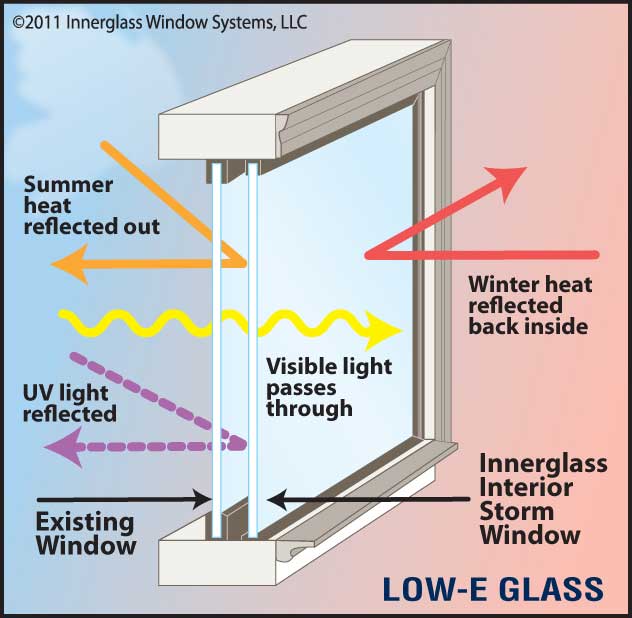
In a log cabin or summerhouse, double glazing means windows made with two panes of glass separated by a small gap. This space is filled with air or, in higher-spec units, an inert gas like argon to slow heat transfer.
In timber buildings, this matters because wood naturally responds to changes in temperature and moisture. With double glazing, the internal temperature is more stable, reducing the need for constant heating. And thanks to the two layers of glass, it’s much more robust, especially on impact.
Single glazing, by comparison, uses just one pane separating the inside and outside of the building. It’s a standard feature in most basic sheds. While cheaper, it loses heat fast and offers little in terms of security or sound reduction.
Benefits of Double Glazing Your Log Cabin
Double glazing isn’t just about the windows looking better. It changes how your garden room feels when you’re inside it. Let’s break it down.
1. Warmth in winter and heat retention
If you’ve used a heater in a single-glazed cabin, you’ll know the heat doesn’t last. The moment you turn it off, the room cools down fast, which makes it hard to stay comfortable for more than a short while. That also means the heater runs for longer, and the cost adds up.
Double glazing changes that. The extra layer of glass holds in more of the warmth, so the temperature inside stays steady for longer. You won’t need the heater blasting all day.

Take the BillyOh Fraya Pent Log Cabin, for instance. You can upgrade to double glazing for toughened glass and maximum insulation. This makes it a lovely private getaway to relax with the family, even when the rain is pouring.
Some of our customers used theirs as a garden bar, a dance studio, a salon, an office, and a games room. Imagine what you could do with yours!
2. Summer temperature regulation
In summer, double glazing slows the rate of heat transfer into the building. It won’t stop a log cabin from getting warm on a 30°C day, but it slows the process down. This gives you a chance to use ventilation to keep the air circulating before the room becomes uncomfortably hot.
3. Noise control for garden offices
Double glazing adds a barrier between you and the outside world. Two panes of glass with a gap in the middle block more sound than a single sheet can.

It won’t make the room silent, but it does cut down noise from neighbours, passing cars, or lawnmowers. The BillyOh Outpost Insulated is a perfect year-round office for this reason. Its 14mm double-glazed windows are paired with 66mm insulated wall panels!
4. Less condensation
Condensation is a major enemy of wooden buildings. Double glazing helps reduce surface moisture because the inner pane stays closer to the room’s temperature. When the glass is warmer, water vapour is less likely to settle on it.
A drier pane means less chance of moisture running into the timber tracks of the frame. This prevents the wood from soaking up standing water, avoiding rot and keeping the window frames operating smoothly for years.
Is The Upgrade Worth it?

In most cases, yes. Double glazing affects how you’ll use the building. If it’s only for storing items like a lawnmower, single glazing should do it. But for a space you plan to sit in or work from, such as a workshop, double glazing makes it more comfortable, quieter, and better for year-round use. It also helps reduce damp in the timber over time.
It does cost more at the start, but you’ll get more use out of the space through the year, no matter the weather.
If you’re sold on the upgrade, our range of log cabins and garden offices includes double glazing on most models. Browse the options below.
FAQ
Does double glazing prevent all condensation in a log cabin?
It significantly reduces it, as the inner pane of glass stays warmer. Water vapour is less likely to turn into liquid on the surface in turn. However, timber is a natural material that holds moisture; you should still use trickle vents or open windows occasionally to maintain healthy airflow.
Can I upgrade my windows to double glazing after the building is installed?
Technically, yes, but it might not be worth it. Garden room window sashes, the moveable part that holds the glass, are often made to a specific thickness (e.g., 3mm for single glazing and around 14-24mm for double glazing).
So, if you upgrade later, you’d need to replace the whole window unit and frame. This can cost a lot more than choosing double glazing from the start.
Is 44mm log thickness enough on its own without double glazing?
Thick logs provide good wall insulation, but windows are where most heat is lost. If you use 44mm or 70mm logs but keep single glazing, you lose much of the benefit of the thicker timber. For a year-round room, thick timber and double glazing need to be used together.