Jump to:
Starting your own gardening journey in a greenhouse can be rewarding. It lets you grow plants in a controlled environment, regardless of the weather. If this sounds like you, this guide is a great starting point. Read on, and it’ll walk you through what you need to know, from the basics and tips, to get it right.
Still looking for the right greenhouse?
What’s the Best Place to Set Up a Greenhouse?
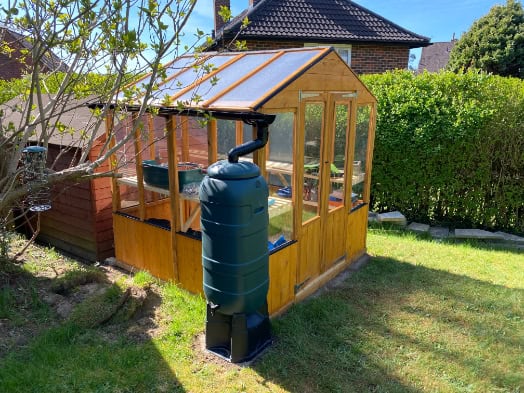
The best spot for a greenhouse is in a sunny, sheltered spot (e.g. along a south-facing fence or wall). It should get around 6 to 8 hours of direct sunlight each day. Remember, consistent sun means fewer temperature swings and happier plants, even in winter.
To learn more, read this guide: How Much Sunlight Does a Garden Greenhouse Need
Do I Need a Base for My Greenhouse?
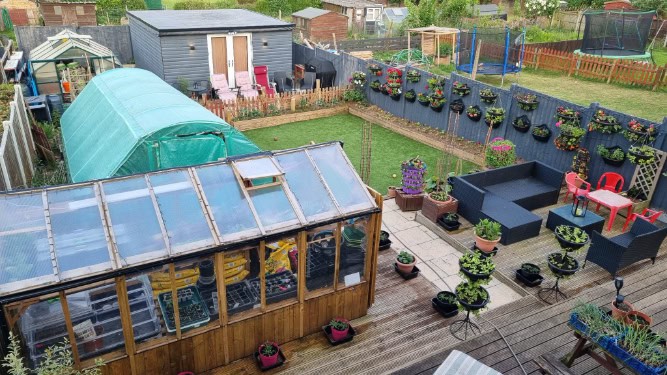
Yes, a base is a must for a greenhouse. As with any garden room, a base provides stability, improves drainage. You’ve got a few base options to choose from, depending on what you’re working with.
Gravel is one of the most popular and budget-friendly choices. A 2- to 4-inch layer provides good drainage and is easy to maintain. For something more permanent, you can never go wrong with a concrete slab. It suits larger greenhouses, though it does take more time and money to install.
A wooden frame base suits smaller or temporary setups, as long as it’s level and has drainage. Another option is a quick-fit base kit. It sits straight on the ground and locks together to create a flat, solid surface.
There’s a full breakdown in this guide below:
Building a Shed Base: A Step-by-Step Guide
What’s the Best Way to Control Heat and Moisture in a Greenhouse?
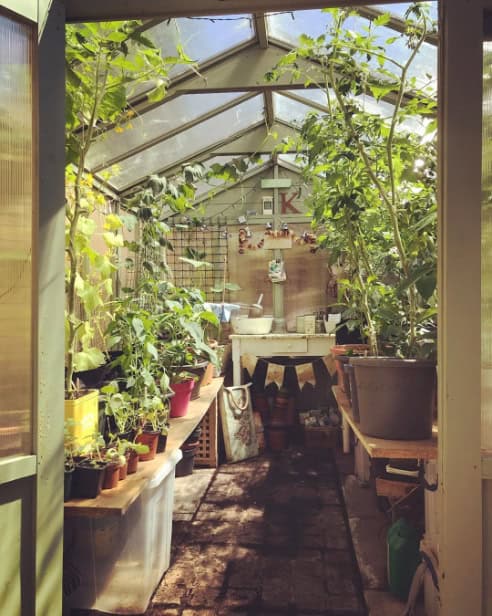
Use ventilation, heating, and shade. Simple habits like opening the door from time to time can be enough to shoo away any built-up heat and moisture. Extra ventilation also becomes more useful during hotter or more humid periods.
Roof and side vents allow warm air to escape and keep fresh air circulating through the inside. In colder areas, a heater may be needed, such as an electric or propane model.
Humidity also needs some attention. If possible, invest in a misting system or get humidity trays and shade nets. Too much moisture can cause mould, while dry air stresses plants—don’t let humidity sit for too long!
This guide is worth a look, too:
What to Do if Your Greenhouse is Too Hot
How Should I Water Plants in a Greenhouse?
The best way to water a greenhouse is to match the method to your greenhouse’s size and the plants you’re growing. Drip irrigation, for instance, sends water straight to the roots and saves time. It also helps cut down on wasted water, which makes it ideal for large greenhouses.
Overhead sprinklers can work too, but they need a bit of watching. Too much water in the air can push moisture levels up and lead to mould or mildew if things stay damp for too long.
In smaller greenhouses, watering by hand with a can or hose is usually enough. Just keep an eye on the soil so it doesn’t dry out or stay wet for days. Collecting rainwater is also worth doing if you can. Not only does it give you a handy supply when you need it, but it also saves you money.
You’ll find more watering tips in the guides below:
What Maintenance Does a Greenhouse Need?
A greenhouse doesn’t need much, just regular attention. This could be as simple as checking for loose panels, cracks, or leaks in the frame after windy or wet weather. Or making sure the vents open and close as they should, and the same goes for the heaters.
One more thing that can cause issues if missed is the condition of your plants. Your greens are usually the first sign that something is off. Warm spaces make it easy for pests and diseases to spread. Small issues are much easier to deal with if you don’t ignore them.
Keep the space clean. Remove dead plants, sweep the floor, and wipe down the panels to allow light in. Staying on top of these basics keeps the greenhouse easy to manage and plants in better shape.
Get more upkeep tips here:
How to Maintain a Wooden Greenhouse
And there you have it! These are just some ways you can set up your greenhouse and get off to a great start. If your garden space allows, you might as well add a small potting shed to keep your supplies in one place.
Can’t decide which type of greenhouse you should go for?
Wood vs Metal Greenhouse – Which is Better for Planting?
FAQ
Do I need planning permission for a greenhouse?
No. A greenhouse doesn’t need planning permission in most UK gardens. As long as it’s the right size, not used as living space, and sits within your property (among others), it counts as permitted development.
What can I grow in a greenhouse year-round?
A greenhouse gives you far more flexibility than growing outdoors. In spring and summer, it’s ideal for tomatoes, peppers, cucumbers, and herbs. Through autumn and winter, hardy salads, spinach, and overwintering plants do well.
We have more growing tips for you below:
How big should my greenhouse be?
Bigger is usually better if space allows. A slightly larger greenhouse provides better airflow, more consistent temperatures, and room to move around. Even so, a small greenhouse can still be very productive if you plan your layout and grow vertically.
Is a greenhouse hard to look after?
Not really. Most greenhouse care comes down to regular checks, watering, and basic cleaning. Once you establish a routine, it becomes second nature, and problems are easier to spot before they escalate.