Jump to:
Pressure treated wood, being pest-resistant, anti-moisture, and low-maintenance, helps toughen the timber. Combining all these qualities makes it weatherproof and extends its lifespan.
Now, how long does it last, how exposed can untreated wood get, and how does treatment affect it?
Key Takeaways
Lifespan: 10 to 40 years.
Main benefit: Low maintenance and rot resistance.
Guarantee: Look for 15-year anti-rot stamps.
How Long Can You Expect Pressure-Treated Wood to Last?
Pressure treated wood can last anywhere from 10 to 40 years when properly cared for. Keep in mind, though, that this can depend on most manufacturers’ guarantees.
Several factors also affect how long the pressure treated wood will last, such as:
- Maintenance: Even pressure treated wood needs a bit of TLC to extend its lifespan. This can be as simple as checking any signs of wear or damage or applying a water-repellent sealant every few years for added protection.
- Wood type: Not all wood can absorb the pressure-treatment chemicals. In this case, pine, cedar, Douglas fir, and hem-fir are your best options. Take note ot these timber types when shopping for a garden room or deck framing material.
Instead of looking for each type one by one, it’s easier to start with ready-made kits, wouldn’t you agree? We offer a 10 to 15-year anti-rot guarantee for our pressure treated units:
The Vulnerability of Untreated Wood
Wood can be vulnerable when left bare and untreated. Outdoor elements and harsh weather conditions can take a toll on wood, and this is just the start of many issues that may arise. For one, protection against moisture, pests, and UV rays is lacking.
Wood absorbs water, which can cause rot and mould. Insects like termites can freely munch on it and cause damage. UV rays from the sun can fade and weaken the wood over time. Thus, untreated wood often has a shorter lifespan compared to treated wood.
Timber is a fantastic building material for many construction and home projects. These include building a garden room, a deck, railings, planters, and more. Its strength-to-weight ratio is greater than most steel types. With proper treatment, it performs even better over time.
Can You Paint Pressure Treated Wood?
The Strength of Pressure Treated Wood
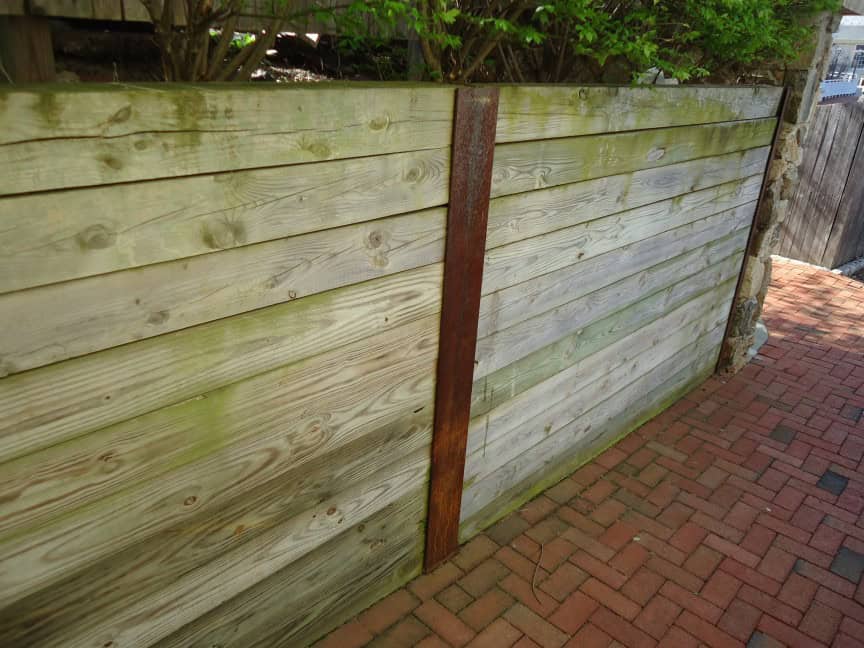
(Image Credit: Wikimedia Commons)
Pressure treatment is a high-pressure process that infuses the wood with chemical preservatives. This makes the timber resistant to insect damage, moisture, and rot.
The greenish tint of a pressure-treated summerhouse helps repel pests. This colour comes from copper compounds like copper azole and DCOI, which act as fungicides and insecticides. With this treatment, you won’t have to worry about pests causing serious damage.
Alkaline Copper Quaternary (ACQ) preservatives are another compound that protects wood from decay. It’s water-based, which helps improve the wood structure’s water resistance. In the context of a pressure treated shed, for instance, condensation and decay won’t be an issue.
Moreover, pressure treated wood requires less care and maintenance than untreated wood. In garden buildings, pressure treated summer houses come with a 15-year protective guarantee against rot. They won’t need re-coating with a preservative in that period, saving you time and effort in return.
Take this BillyOh Bella Tongue and Groove Pent Summerhouse, for instance. It comes pressure-treated with a 15-year guarantee as standard. This unit is constructed using durable Tongue & Groove (T&G) cladding, which makes it a weatherproof structure. It’s the perfect retreat to enjoy those summer days with friends and family.
Looking for more options? Our pressure-treated summer houses are engineered to prevent rot from the ground up.
Shop Pressure Treated Summerhouses
Is Pressure Treated Wood for Garden Rooms Worth It?
Yes, and it’s way better than its untreated counterpart. Although it may cost more upfront when it comes to garden buildings, it will save you more in the long run.
To learn more, you can read this guide next: The Benefits of Pressure Treated Summerhouse
FAQ
Does pressure treated wood smell?
Initially, you may notice a slight chemical or earthy-ish scent. This is completely normal due to the preservatives being infused into the fibres. Once the wood has had a few days to air out, the smell dissipates. It’s not harmful to be around in an open-air garden setting.
What are the white powder or green spots on my new wood?
It’s called efflorescence; they’re not mould. As the wood dries, some of the salts from the treatment process can crystallise on the surface. These green or white spots are a sign that the preservative has done its job.
They’ll naturally weather away over time, or you can lightly sand them off if you prefer.
Is a pressure treated garden room safe for pets and children?
Yes. Once the wood is dry, it’s perfectly safe for children to play in and around. For pets that might be inclined to chew on the wood, we recommend a coat of pet-safe paint or stain once the wood has fully seasoned, just as an extra precaution.
Can you paint pressure treated wood?
Yes, you can. But when you do, make sure the surface is dry, seasoned, or fully cured. This process takes about 3 to 4 months or longer during winter, up to 6 months, before the moisture levels drop.
After a few months, give it a moisture test by sprinkling some water on the surface. If the water soaks into the wood, it’s ready to coat. It needs more time if the water beads up and won’t saturate.