Jump to:
A greenhouse is designed to provide the right environment for plants to thrive all year. In winter, though, it may need extra warmth to maintain these conditions. Heating it doesn’t have to cost the earth; there are low-cost alternatives that work well. And sometimes, it’s as simple as sealing gaps and leaks to trap heat inside.
Before we get into the list of methods and techniques, let us answer this common FAQ below:
Do Greenhouses Stay Warm in Winter?
Greenhouses do help keep things warmer than outside, but they don’t turn into a heated room on their own. They trap sunlight during the day, which warms the air and the soil inside. This, in turn, gives your plants some protection from frost, so they’re still worthwhile.
Nights can still be cold, especially in harsh winters. You might need a small heater, thermal blankets, or bubble wrap on the panels, which brings us to these tips below:
Fix Heat Leaks
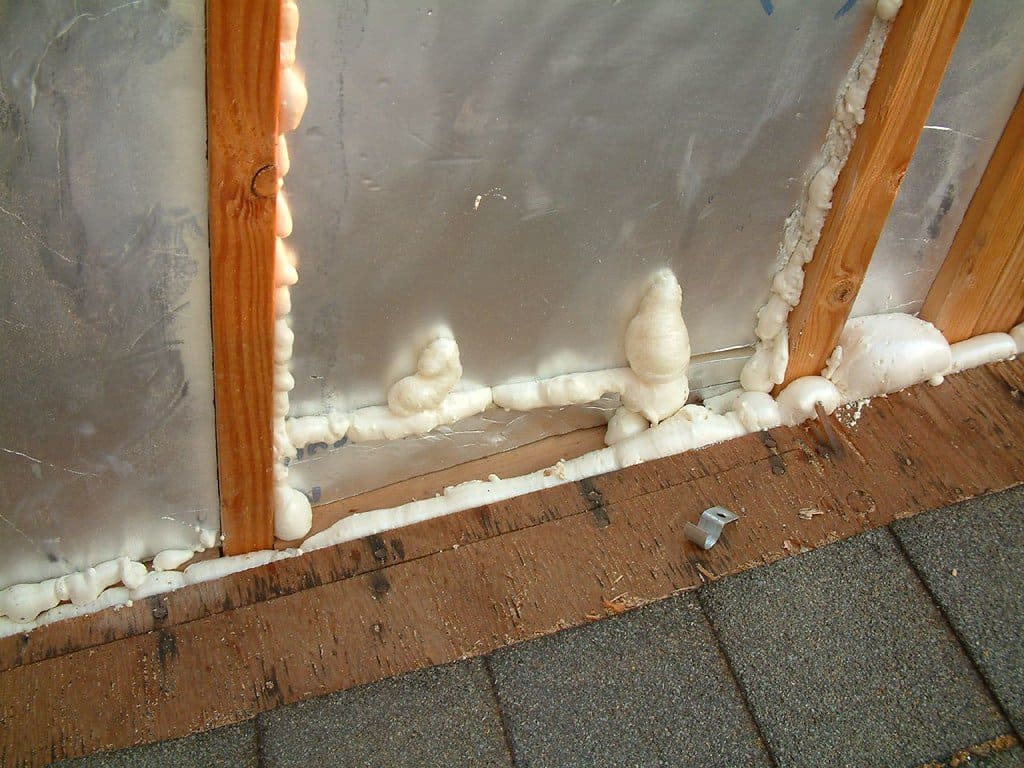
Small cracks and holes are often overlooked because they seem minimal. Truth is, they can widen into gaps, resulting in heat loss in the greenhouse. That’s where sealing comes in.
Silicone caulking works best for smaller, more precise gaps. A camper seal is great for larger or uneven surfaces. Spray foam is another solid option, especially when other methods don’t do the job.
Gaps and leaks are pretty common in greenhouses with glass panels due to weather, impacts, or wear. They can show up around the frame, vents, floor, or doors and windows.
Use Insulation Blankets
As the name suggests, the blanket cloaks the structure, adding an extra layer of warmth. This, in turn, improves heat retention. Drape it over or attach it to the frame, particularly at night when temperatures drop.
You can buy specialised insulation blankets at local garden stores or online. Or, you can take the DIY route and use thick fabric from home. Make sure it’s wide enough to cover the roof and walls, then remove it during the day to let in sunlight.
Note: A single-wall polycarbonate greenhouse can benefit from insulation blankets. For one, it provides less thermal resistance compared to double-wall options.
Cover Plants with Fleece
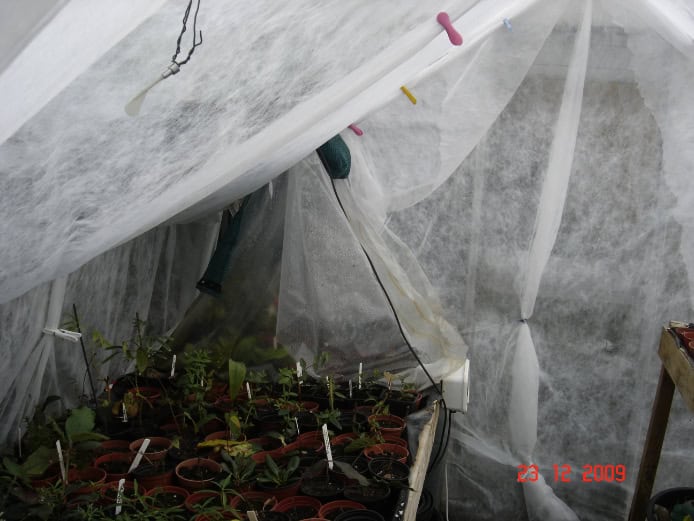
(Image Credit: Wikimedia Commons)
Frost is the ultimate enemy of tender plants during winter, but fleece has got them covered. It’s lightweight and breathable, so sunlight and moisture can still pass through.
On very cold nights, place a layer or two over your plants for protection without having to crank up the heating. Remove by day so your plants get enough light and ventilation unless frost is imminent.
Invest in a Heating System
Fan heaters or heating mats are your best bets. They don’t add extra moisture to the air, which helps keep it dry and lowers the chance of mould or mildew.
The initial cost might be a bit high, but they’re efficient, low maintenance, and cheap to run. You don’t need to leave them on all the time, either—only on the coldest days to keep energy bills down. However, you might need heat at other times of the year, not just in winter. Check your plants’ needs and adjust as necessary.
For low-cost alternatives, this guide gives you more options:
Greenhouse Heating: How To Heat Your Greenhouse For Less
Let the Sunshine In
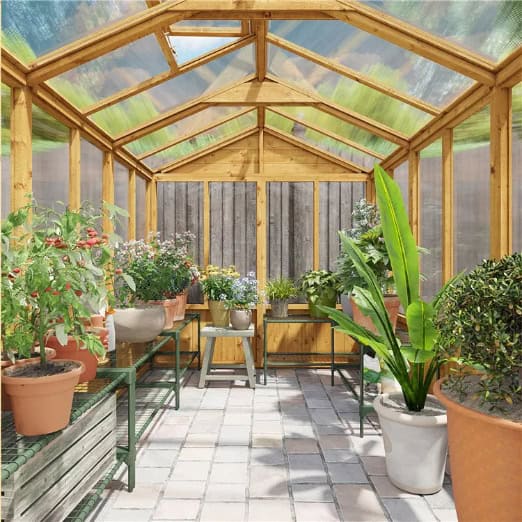
Make the most of the sunlight by keeping your greenhouse cover-free to soak up as much as possible. Through this natural heat, it may even reduce the need for electrical heaters!
Make the most of the sunlight by keeping your greenhouse cover-free to soak up as much as possible. Through this natural heat, it may even reduce the need for electrical heaters!
The location plays a role here. Ideally, the structure should be free from shade from trees or buildings. The greenhouse material matters, too. A wooden greenhouse with polycarbonate twin-glazing windows can allow sunlight to pass through. The same goes for a metal greenhouse.
Read this guide to learn more: How to Position Your Greenhouse: Choosing the Best Spot
Round-up
Keeping your greenhouse warm is key to ensuring your plants survive the winter. We hope these tips help you find a solution that works for your needs without breaking the bank!
While you’re here, have a look at our greenhouses for sale, available in various materials. We have polycarbonate designs with styrene glazing. We ensure our models have greater resistance than glass, among other excellent features.
Get started here: