Jump to:
Wood is favoured by its strength-to-weight ratio, which often outperforms steel in gaden building applications. Because of this, it remains a popular material for sheds. But how long can you expect a wooden shed to last?
In this blog, we explore the lifespan of timber structures and the factors that influence their longevity. Read on to find out more.
Key Takeaway
A wooden shed can last 10 to 25 years with proper maintenance. Lifespan depends on timber treatment, build quality (such as tongue and groove cladding), and a solid, well-drained base. Regular upkeep, like resealing windows, ventilating well, and repairing weather damage, helps extend its life beyond the manufacturer’s guarantee.
What’s the Average Lifespan of Wooden Sheds?
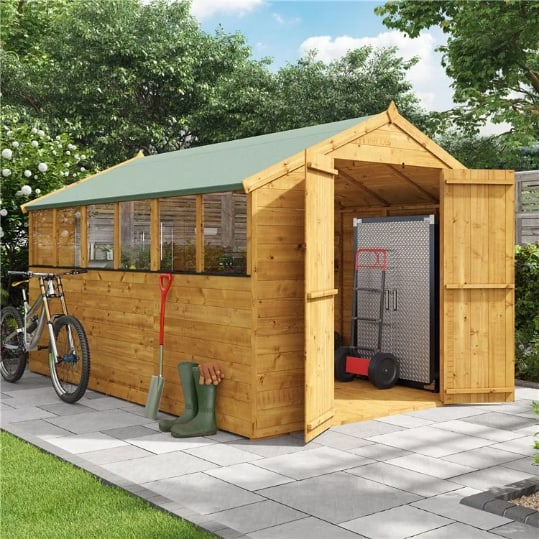
Good-quality wooden sheds can last 10 to 25 years with proper upkeep. Though the shed’s construction and manufacturer’s guarantee also play a role in this. Garden Buildings Direct offers a 10-year anti-rot guarantee for untreated units and 15 years for pressure treated sheds. But you’ll still need to do your bit so yours can last even longer.
Factors Influencing Wooden Shed Longevity
Material quality matters, but the design and build also affect how a shed performs over time.
Timber treatment
Sheds manufactured using pressure treated timber are built to last. This process forces chemical preservatives deep into the wood fibres. It gives the material robust resistance against fungal decay, insect infestation, and moisture absorption.
Since pressure-treating is quite a complex process, manufacturers usually handle it themselves. It’s offered as a standard or as an upgrade, meaning the timber is treated before the shed is delivered. While this adds to the upfront cost, it can save you a lot by reducing maintenance expenses in the long run.
Tongue and groove cladding
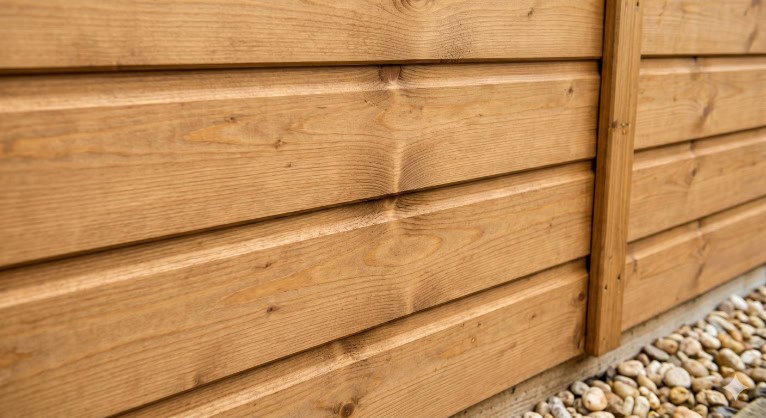
Tongue and groove cladding, or T&G, is a special wooden board used in building wooden structures. These panels slot together like a puzzle, creating a wind-tight and water-resistant barrier. This design helps improve the shed’s structural integrity, insulation, weather resistance, and appearance.
On top of that, T&G has a classic, clean look, which is perfect if you’re after a contemporary finish. This makes it a preferred choice for long-term durability.
Ventilation and moisture control
Timber is hygroscopic, meaning it naturally absorbs and releases moisture from the environment. To prevent rot and mould, a shed must breathe.
Many sheds have built-in ventilation, such as louvre-style panels or high-level air vents, to ensure constant airflow. This reduces internal condensation, which is the leading cause of structural decay in timber buildings.
Roofing and drainage
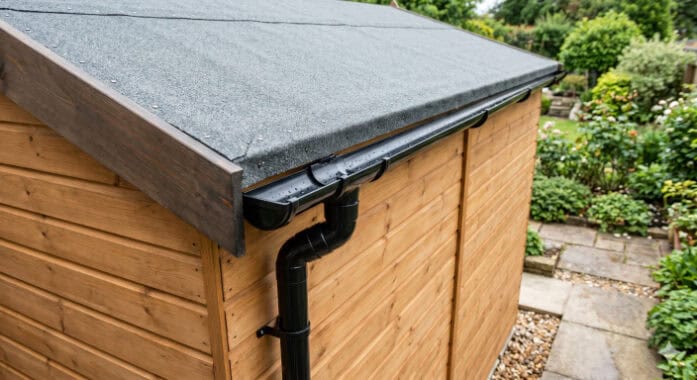
The roof and base are the parts most exposed to the elements.
- Roof design: A pitched roof encourages water runoff, while significant roof overhangs protect the wall panels from driving rain.
- Drainage: Installing gutters and downpipes diverts water away from the structure.
- Base: A shed is only as stable as the ground beneath it. Ensuring the shed is raised on a level, solid foundation, such as a concrete slab or pressure-treated joists, prevents the bottom plates from absorbing ground moisture.
Regular Maintenance of Wooden Sheds for Longevity
Even the highest-quality timber will degrade if neglected. Make a habit of including these upkeep tasks whenever possible:
- Quarterly inspections: Scan the exterior for signs of wear, cracks, or damage. Replace any rotten wood that can’t be saved.
- Frame strengthening: Following extreme weather, check for loose screws or fasteners to ensure the framework remains rigid.
- Foundation check: Check the base for any shifting or settling issues. If it needs rebuilding, consider a concrete slab. Feel free to refer to this guide for steps: How to Make a Concrete Slab Base for Your Shed
- Surface protection: Reapply high-quality wood preservative every year (less frequently if pressure treated), depending on the wood type and local climate.
- Debris removal: Keep the roof and gutters clear of leaves and dirt, as these trap moisture against the wood.
Round-up
Wood can be vulnerable when left bare, untreated, and unprotected. Hence, many wooden sheds include features and upgrades for year-round dependability. And if you spot common issues like rot, pests, or water damage, deal with them straight away. With regular care, your investment will hold up far better over time.
Still undecided? Read our metal shed material comparison guide next.
Ready to buy but want to look at more choices? We’ve got you!
FAQ
Does a wooden shed need a concrete base to last longer?
Yes, a concrete base is ideal. It gives a flat, stable, and dry surface and keeps the shed off damp ground, which helps prevent rot in the bottom frame.
Is pressure-treated wood better than dip-treated wood?
Yes. Pressure treatment is an industrial process that penetrates the wood deeply. It offers superior, long-lasting protection against rot and insects compared to dip treatment, which is only a surface-level coating.
What is the first sign that a wooden shed is failing?
The first signs are soft or spongy spots in the timber, particularly near the floor or around window frames. If the wood stays damp to the touch and turns a dark, greyish colour, this often indicates rot.