Jump to:
When it comes to wooden shed cladding, there are options that go far beyond the ordinary, and we’ll share them here. This guide can be helpful when browsing various models online.
Wooden shed cladding generally refers to the boards that fit over the frame of the structure, to give it covering.
Best Wooden Shed Cladding Materials
1. Rustic barnwood
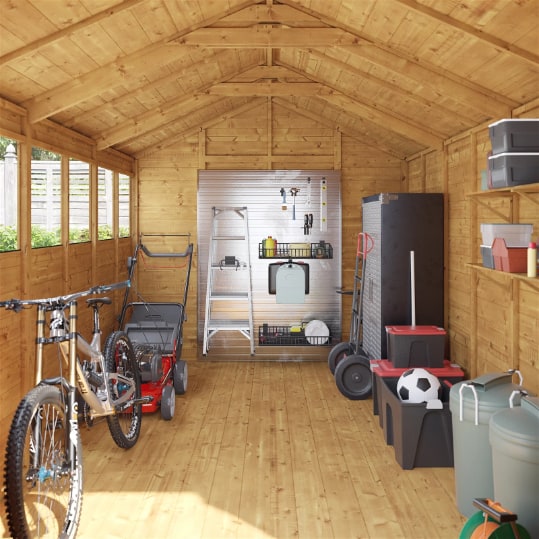
Rustic barnwood brings that aged, country look. The material is taken from old barns, so expect the boards to feature knots, marks, and a warm tone. It’s tough, too, while giving the shed a timeless feel that can last for years.
2. Cedar shingles
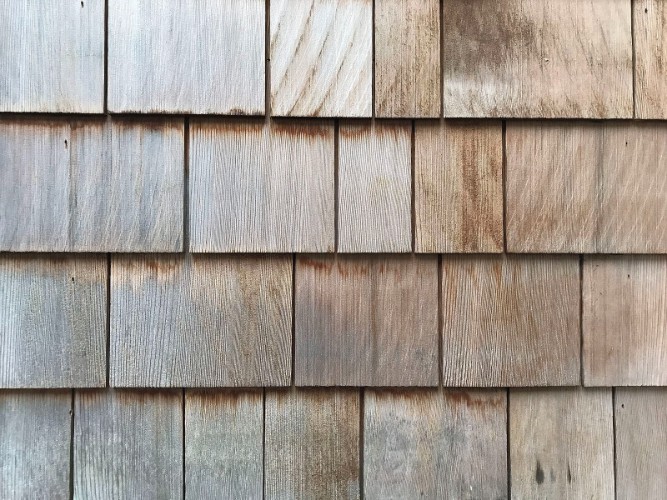
(Image Credit: Wikimedia Commons)
Cedar shingles age beautifully, picking up a rich colour over time. They stand up well to the weather and add a neat, textured finish that can suit any shed.
3. Redwood siding
Redwood has a smooth, rich colour that makes a wooden stand out. It’s tough enough to handle the weather and pests. This might be for you if you want a sleek, low-maintenance finish.
4. Treated pine cladding
Treated pine is pine that’s been treated to resist rot and bugs. It can handle outdoor use and is easy to work with, plus you can paint or stain it to match your shed however you like.
Many sheds come with tongue and groove or shiplap cladding made from treated pine. The longer the anti‑rot guarantee, the better the build quality.
5. Cypress panelling
Cypress takes the damp and wind in its stride. It’s one of those woods that has a pale, streaky colour, and lasts longer without much upkeep. This is an excellent pick if you’re near the coast or your shed is in a wetter part of the garden.
6. Reclaimed pallet wood
Reclaimed pallet wood is a cheap and eco-friendly way to clothe a shed. Each plank is a bit different, which means no two sheds will look the same. You can take the DIY route for this idea, especially if you’re building a shed from scratch.
If this sounds like you, check out this guide: How Long Does It Take to Build a Shed
7. The log cabin style
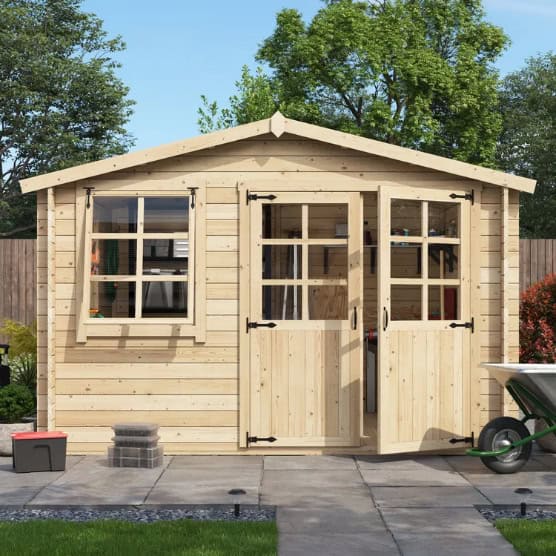
Go for log-style cladding for a classic cabin look and additional structural benefits. Technically, this style of cladding doesn’t sit against a frame like on a panel-based shed. The walls are constructed from individually stacked log boards that interlock at the corners with a distinctive criss-cross style. The result is walls that are thicker and heavier than other styles of wooden shed, with the timber offering a greater level of insulation and weight-bearing capacity.
For reference, have a look at our selections below:
8. Bamboo screens
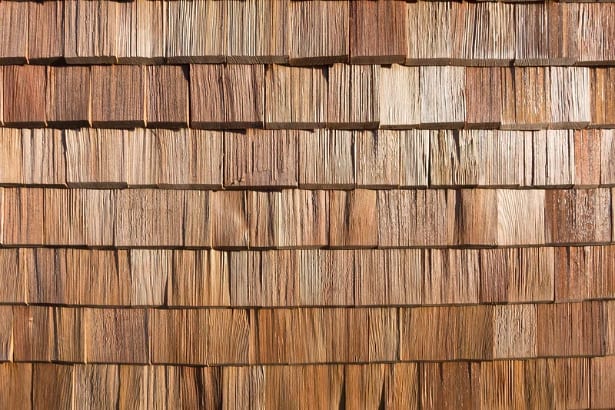
This shed cladding idea is a great DIY project if your garden storage has plain walls. You can fix them yourself and even extend them to add privacy in your outdoor space. Because of their low price and ease of sourcing, they’re budget‑friendly, too.
9. Teak planks
Teak pretty much looks after itself. It’s strong, handles wet weather, and ages into a muted silver-grey. Mix and match the planks, or lay them in different directions if you can, to add character to the finish.
10. Oak cladding
The thing about oak as a material for a shed cladding is that it can double as a backdrop for your garden. It gives off this warm, natural tone that makes plants around it pop out.
Hang some lights, hooks, or a trellis on it, and it might work as camouflage too. Learn more how you can achieve that here: How to Camouflage a Garden Shed
11. Plywood sheets
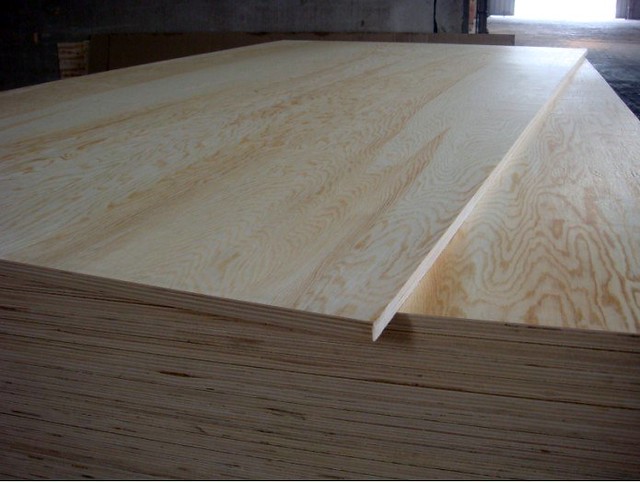
Plywood sheets are made from thin layers of wood glued together. While not as striking as solid wood, the material is smooth and versatile. When painted or stained, you can try various looks, from modern to classic. You can also make them work with a corner shed since plywood is easy to cut.
12. Mahogany panels
This is more rare, but luxury if you can get it. Mahogany has a deep reddish-brown colour and straight grain. From a shed’s appearance perspective, that’s cool! It lasts a long time, though it does benefit from occasional staining or sealing. It’s on the more premium side, but it saves you the hassle of regular maintenance and lasts a long time. Many shed owners opt to use a mahogany-shaded stain rather than the real wood.
13. Western red cedar shake
Western red cedar shakes are from the heartwood of cedar trees. They have a unique, warm, reddish-brown hue and texture that you might love. Not to mention, this material is naturally decay-resistant and has excellent insulation.
14. Exterior hardwood panels
These panels are strong and reliable, ready for whatever the weather throws at them. Their natural grain and deep colour that age beautifully over time. Shelves and hooks can be installed for storage. They can also be combined with other cladding, such as bamboo screens or teak planks.
15. Engineered wood siding
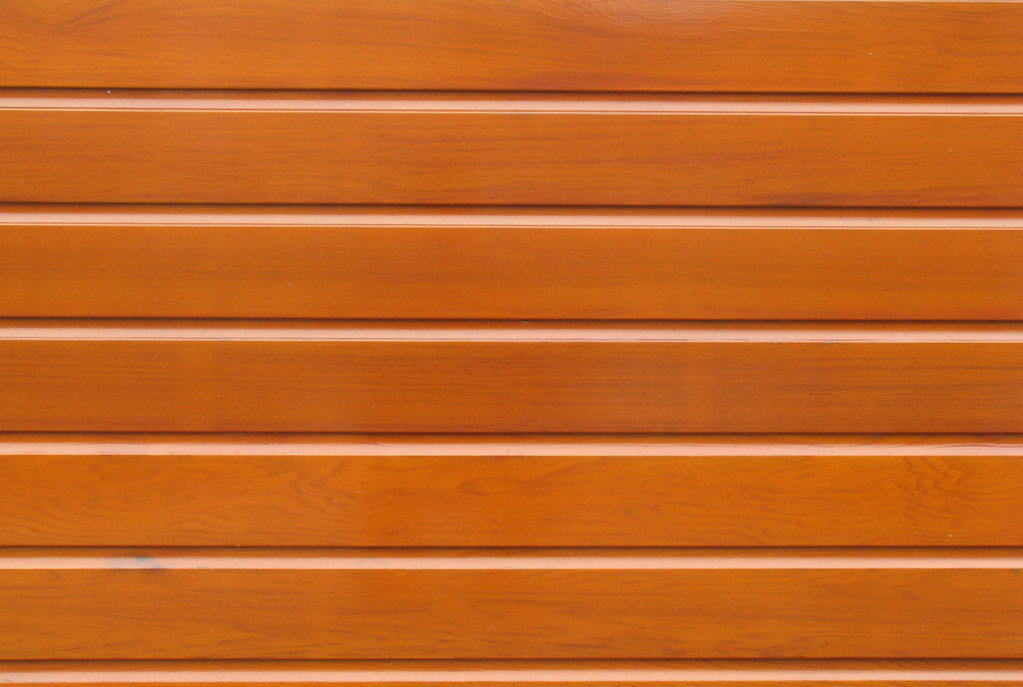
Engineered wood is a mix of wood fibres with resins and other materials. It mimics the look of natural wood but with better resistance to weather. It’s a low-maintenance and cost-effective cladding option.
16. Spruce
Spruce is a popular and cost-effective choice for wooden shed cladding, and it’s the material used in many of our sheds. This light, pale wood from Scandinavian forests has a fine, even texture and is known for its strength and stability. Most suppliers will grow it fast and replant, so that the production is kept sustainable in the long term. While the resulting timber is not as dense as some other hardwoods, spruce is still durable and capable of withstanding outdoor conditions, especially when treated for weather resistance.
Round-up
For something with a great cost-to-quality ratio, go for spruce with a coating of preservative treatment. It’s easy to work with, resists rot and pests, and looks great. Teak planks are another good choice if you want something a bit more premium.
You might find the one you’re looking for below: