Jump to:
Shed cladding usually runs either vertically or horizontally. But what’s the difference, and does it matter for wooden sheds? In this guide, we’ll look at how each option changes the look, handles rain, and adds strength.
Still choosing your next shed?
Wooden Shed Cladding Basics
Cladding covers the exterior walls of a shed to provide extra weather protection. Timber is a popular choice for this due to its versatility, especially for wooden sheds.
In addition to its outdoor durability, timber also offers insulation properties. When it comes to aesthetics, wood brings a rustic charm, and the way the cladding is placed can change the look a bit.
If you take a closer look, you’ll notice the cladding or boards are either in a vertical or horizontal layout. If they run up and down (top to bottom), they’re vertical; left to right (side to side), they’re horizontal. That’s the simplest way to tell the difference, but there’s more to it than that.
What Is Vertical Shed Cladding?
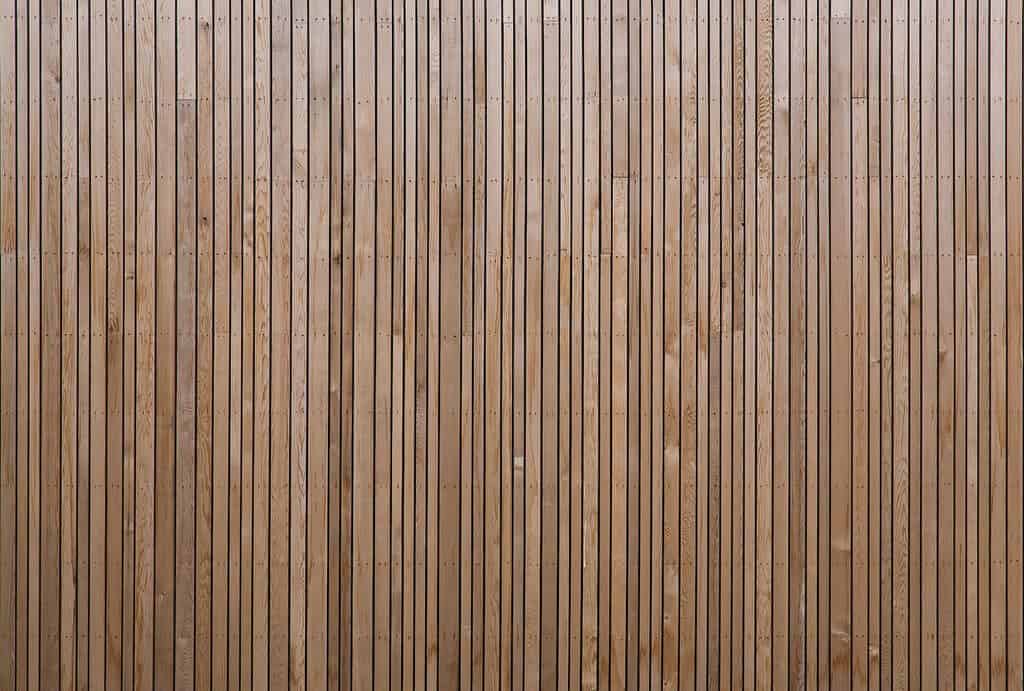
Vertical cladding is when the boards run from the top of the shed down to the bottom. This gives the shed a taller, more upright look, which suits low-ceiling spaces. It also has a more minimalist vibe, perfect for gardens with a modern scheme.
Because the boards are vertical, rainwater runs straight down and off the shed. This prevents moisture from building up behind the cladding. It’s also strong for holding weight from above, so you can hang items from the ceiling if needed. On the downside, it’s not quite as resistant to strong sideways winds.
What Is Horizontal Shed Cladding?
Horizontal cladding has boards running across the width of the shed. It’s the classic look for wooden sheds, often seen in overlap or shiplap styles.
This layout gives the shed a wider, more grounded appearance. Water runs off the boards thanks to the overlapping edges. It also provides good sideways strength, which helps larger sheds stay stable.
Tongue and groove (T&G) cladding is a common version. Cach board locks into the next for a strong, weather-resistant finish. Take a look at the BillyOh Pro Pent HD Shed, for instance.
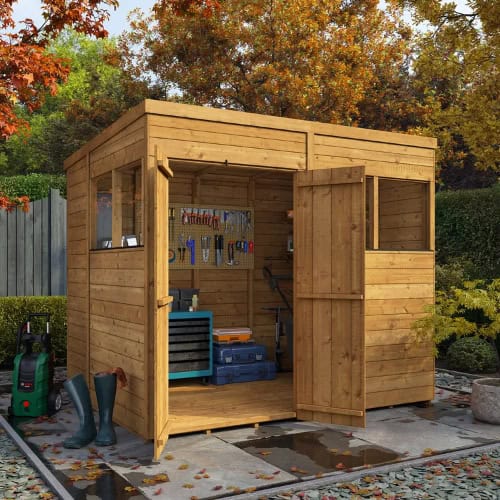
It’s one of our thickest and sturdiest in our Pro HD range to date. It features 15mm tongue and groove timber walls, floor, and ceiling as standard. Check out the boards running horizontally along the walls. The T&G design adds extra strength, keeps moisture at bay, and makes the shed weatherproof.
Round-up
Choosing between vertical and horizontal shed cladding comes down to 1.) what you need your shed to do, and 2.) how you want it to look.
If it rains a lot where you are or you like a modern vibe, vertical cladding is a good pick. Horizontal gives a classic look and makes the shed a bit sturdier across the walls. And if you want to learn more, read this guide next: