Jump to:
Metal sheds are lightweight but solid, so they won’t get blown down or fall apart when adverse weather hits. Given their durability, you might wonder about the necessity of a base. So, does yours require one? Find the answers here!
Why Is a Solid Base Crucial for Your Metal Shed?
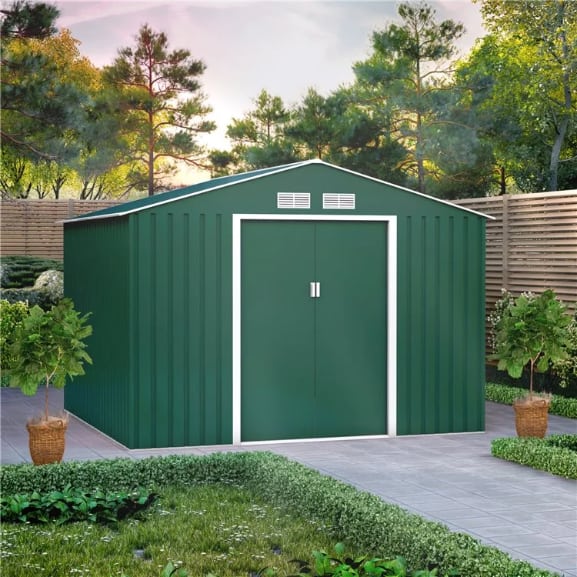
Garden sheds, including metal ones, need a sturdy base. Since many of these steel structures lack floors, not having one would spell disaster. Even if they come with flooring, placing them directly on a lawn is a no-go. The risk of sinking is significant due to their weight.
The base or foundation provides stability to these structures from sinking or tilting. This structural support system also ensures their longevity.
What Are the Benefits of Metal Shed Base?
A good base gives your metal shed proper support. It’s less likely to shift in strong winds or after heavy rain, which helps prevent damage. Everything stays in place, even when the weather turns.
What’s more, it keeps moisture away. When a metal shed sits straight on the ground, dampness can lead to rust. Raising it a bit improves airflow and drainage, which helps cut down condensation.
Installing a base also helps your shed work better. Doors slide easily, and the flat floor makes storage or working inside simpler.
Are There Situations Where a Base Might Not Be Necessary?
Yes, there are. You might not need a base if your shed is small and the ground is level and firm. The same goes for temporary sheds that you move often. This makes it easy to relocate the structure as needed.
Can Skipping the Base Impact the Metal Shed’s Structural Integrity?
Skipping the base might seem like an easy way to save a bit of money, especially if the ground looks fine. But most of the time, it can affect the shed’s overall strength.
This, in turn, makes it more susceptible to issues like uneven settling. Its weight may not be spread out properly, which can put extra pressure on joints or support beams and eventually cause them to fail.
Don’t skip the shed floor base unless it’s truly unnecessary!
How to Determine the Ideal Metal Shed Base Type?
There are four options — see which one best suits your shed needs to find the ideal base type:
1. Concrete slabs
A slab base or foundation is made of concrete and often placed on a layer of sand for drainage. It’s a large, heavy lair that is ordinarily 4-6 inches wide at its innermost and cascades directly on the ground.
Cons: Expensive and time-consuming to install. It may require professional help.
2. Wooden platforms
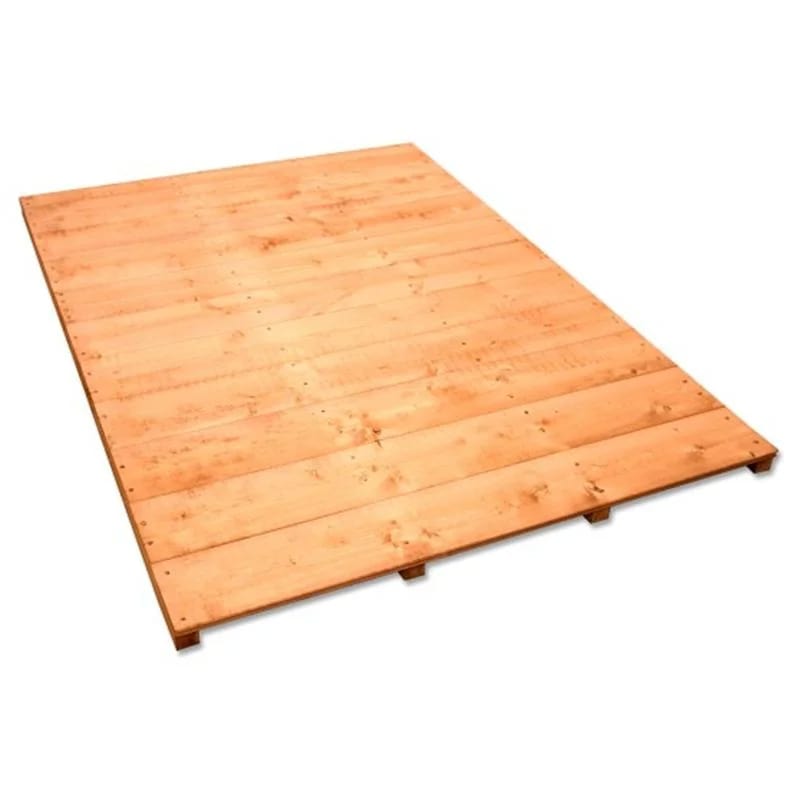
A wooden shed floor or platform is a flat, elevated surface made entirely of wood. It consists of beams or planks arranged horizontally to create a sturdy and level base. Visually, this type of metal shed base resembles a large, solid wooden deck or floor raised off the ground.
Cons: Susceptible to rot and pests if not properly treated or maintained.
3. Gravel beds
A gravel bed foundation involves levelling the ground and evenly spreading gravel across the shed’s location. This allows for adequate drainage and prevents water from pooling around the shed’s base.
Cons: Less stable than concrete or wood, and it may shift over time.
4. Ground anchors
Ground anchors consist of a metal rod or shaft with a pointed end that can be driven into the ground. They’re lightweight, corrosion-resistant, and prevent movement caused by strong winds. Once installed, the anchors firmly grip the soil, anchoring the metal shed to the ground.
Cons: Less suitable for larger sheds. They may not provide a fully level surface.
Do All Metal Sheds Need a Base?
The question of whether every metal shed needs a base is common, but the answer isn’t one-size-fits-all. It varies based on specific circumstances. Small garden sheds or temporary installations may not require a permanent base. However, a stable base becomes essential for larger, more permanent structures and areas prone to moisture.
If you have any further questions, please don’t hesitate to contact us at 01909 768840. What’s next on your reading list: How Long Do Metal Sheds Last?
Ready for a new garden storage option? Use the buttons below to explore what’s available or check the buying guide.