Jump to:
Every leaf, petal, and stem tells a unique story, and this is where the art of plant identification comes in. It’s an essential skill that opens the doors to a deeper understanding of the natural world around us.
Imagine strolling through a lush garden, a 6×6 greenhouse or a sprawling forest. Then you encounter an array of plants, each with its own hidden wonders. And how remarkable it would be to identify these botanical treasures confidently!
Here, we present to you the ultimate plant identification guide, which covers the following:
- Annual plants
- Biennial plants
- Perennials
This guide will serve as your ‘beginner gateway’ to the world of plants. It’s especially a must-read if you wish to embark on a journey of cultivating in a greenhouse setup. Keep reading!
The Significance of Plant Identification
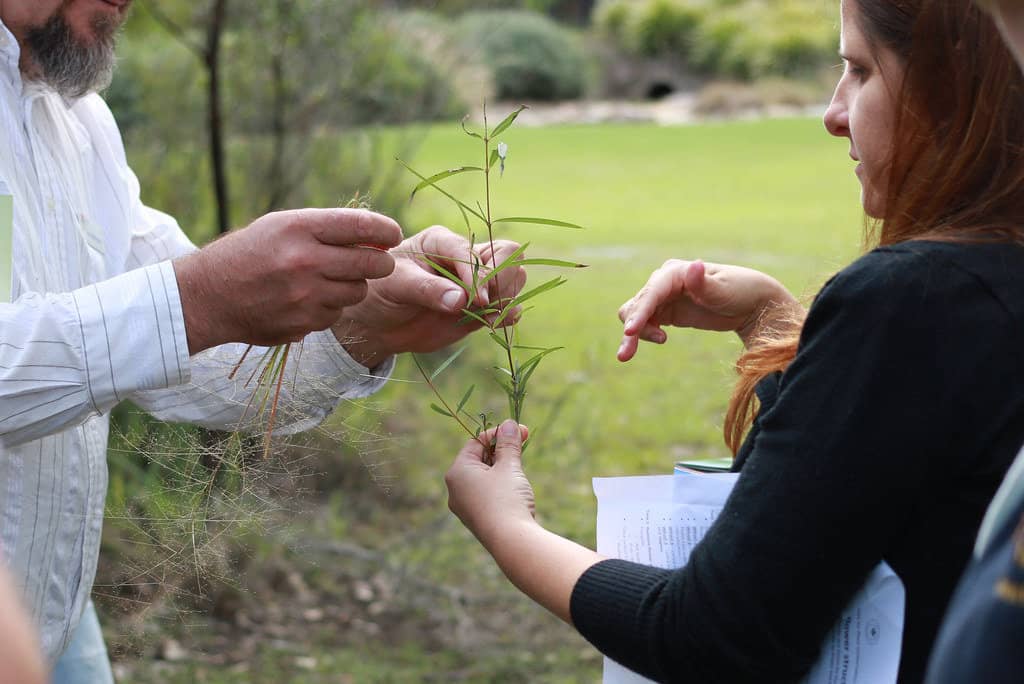
Plant identification forms the foundation of gardening and botany. It allows gardeners to make informed decisions about which plants to cultivate. For instance, identifying the best plants for a greenhouse.
Similarly, for botanists, accurate identification is fundamental. Whether for categorising, studying, or understanding the vast diversity of plant species. Accurate plant identification is essential for providing optimal care and maintenance. Each plant has unique needs for light exposure, water requirements, soil type, and so on. Correctly identifying a plant ensures that it receives the appropriate care.
Understanding plant characteristics also helps us comprehend its evolutionary history and ecological role. Moreover, its potential medicinal or culinary uses.
Finally, researchers can track endangered or rare species. This enables them to protect their habitats and implement conservation measures.
Understanding Annual Plants
Annual plants bring a vibrant burst of life to gardens, landscapes, and greenhouses. They go through their journey in a relatively short span of time. Starting from germination to growth, flowering, seed production, and eventual senescence.
They complete their entire life cycle within one year or growing season. This makes annual plants a temporary but delightful addition to any garden.
One of their advantages lies in their adaptability to colder temperatures. Many annuals are hardy, which means they can withstand lower temperatures. This attribute allows them to be planted outdoors. Annuals are resilient and can endure chilly nights or unexpected frosts, to add.
Annual plants hold immense potential for adding colour, texture, and interest to gardens. They produce an abundance of flowers or foliage within a single growing season. By mixing them into garden beds or borders, you can transform an ordinary space into a vibrant haven!
Here are some examples of common annual plants and their unique characteristics:
1. Marigolds (Tagetes)
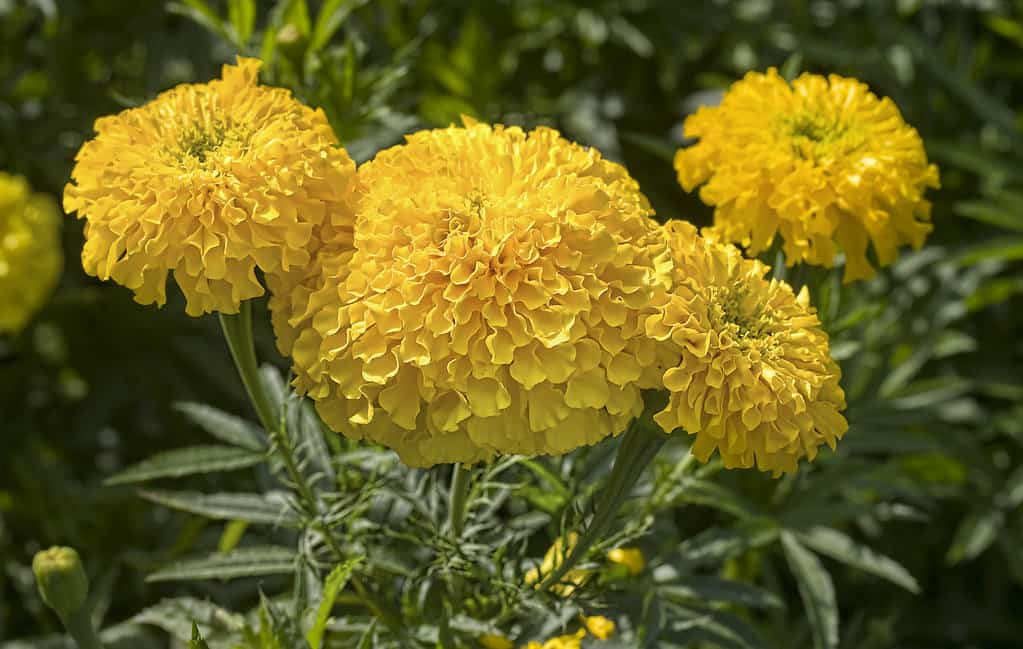
Marigolds feature sun-like blooms in shades of vibrant orange and yellow. They are often used as companion plants in vegetable gardens. Their pest-repellent properties are a plus!
Marigolds thrive in full sun, requiring moderate watering. They make excellent additions to borders, containers, or as cut flowers.
2. Petunias
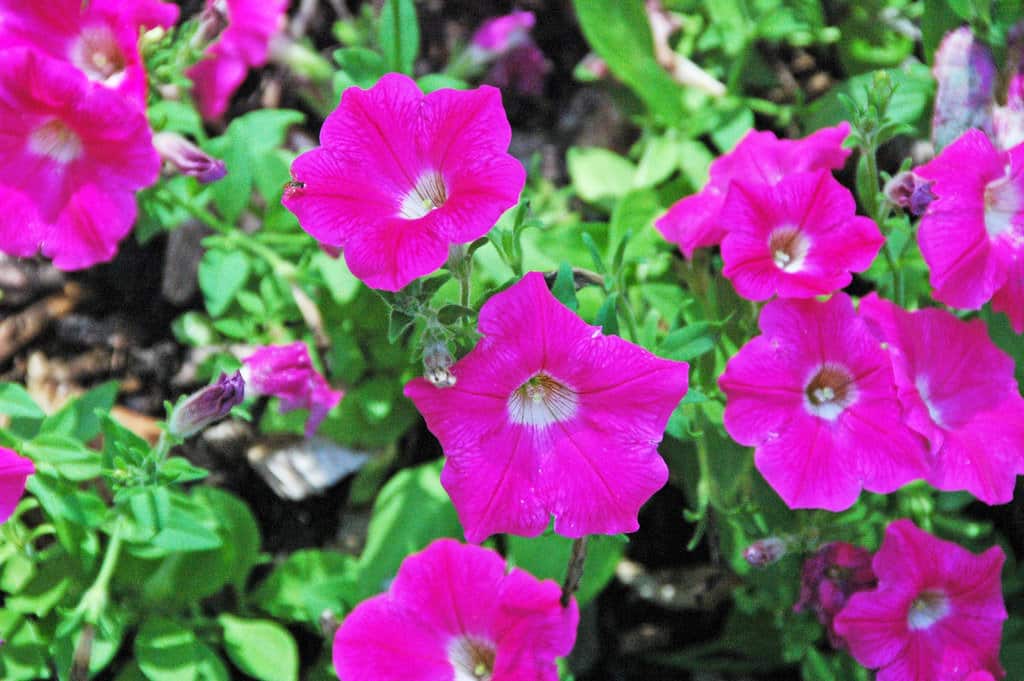
Petunias are beloved for their abundant and diverse range of blooms. They prefer full sun, well-drained soil, and regular watering to flourish.
These versatile annuals can be trailing or upright. This makes them suitable for ground cover, hanging baskets, or container gardens.
3. Zinnias
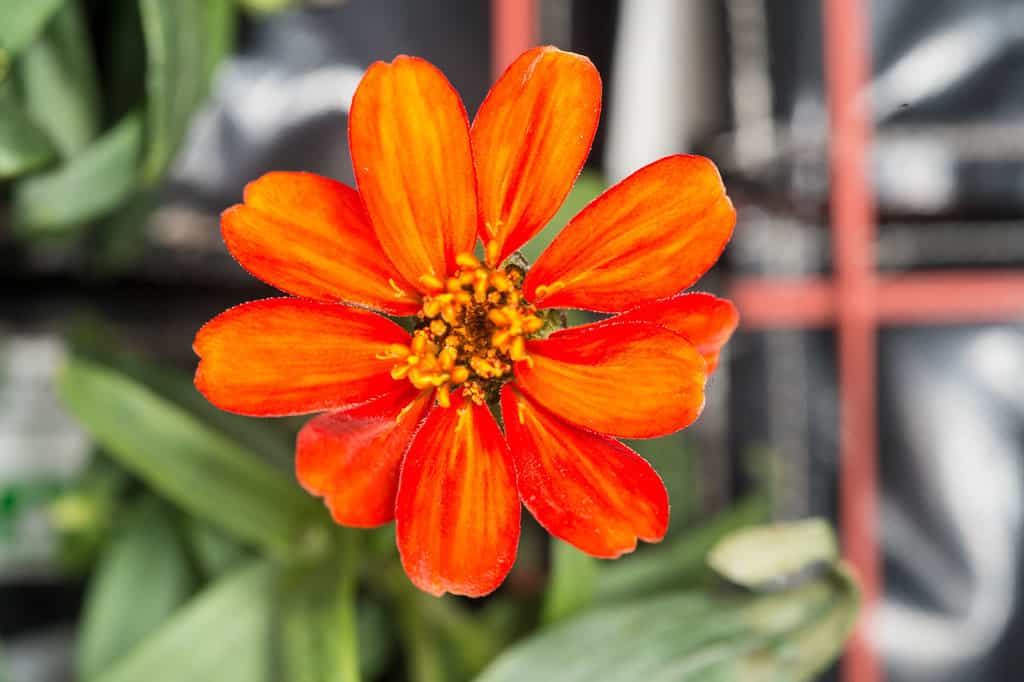
Zinnias captivate with their vibrant, daisy-like flowers in an array of dazzling colours. These include reds, pinks, oranges, and purples. They thrive in full sun, prefer well-drained soil, and benefit from regular deadheading.
These hardy annuals are also adored for their long-lasting blooms. They’re perfect for creating stunning summer displays.
4. Cosmos (Cosmos bipinnatus)
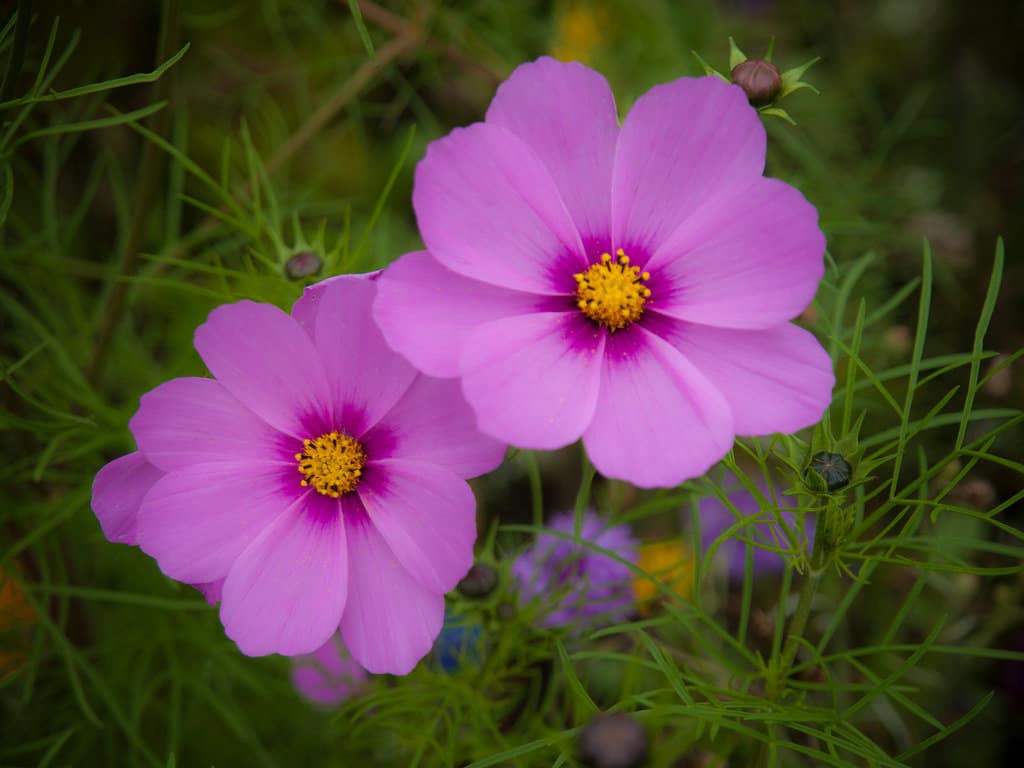
Cosmos are delicate and ethereal annuals that produce masses of daisy-like flowers. Common shades are white, pink, and magenta. With their feathery foliage and graceful blooms, they bring an air of enchantment.
Cosmos are sun-loving plants that tolerate various soil types. They’re excellent for attracting butterflies and other beneficial insects, to add.
Understanding Biennial Plants
Biennial plants are botanical wonders that complete their life cycle for two years. Unlike annuals, biennials have a more extended and intriguing journey.
In the first year of their life cycle, biennial plants focus on vegetative growth. They start from a seed, germinate, and develop a rosette of leaves near the ground. During this phase, they establish a robust root system and store energy reserves. This prepares them for the following year.
In the second year, biennials shift their focus towards reproduction. They produce flowering stalks. And they emerged from the rosette of leaves formed in the previous year. These stalks bear flowers, attract pollinators, and produce seeds for the next generation.
After completing their reproductive cycle, biennials often wither and die. Their seeds are then left behind to ensure the survival of their species.
Here are some examples of common biennial plants and their distinct characteristics. They’re excellent for growing in a wooden greenhouse, as well as in back and front gardens.
1. Foxgloves (Digitalis purpurea)
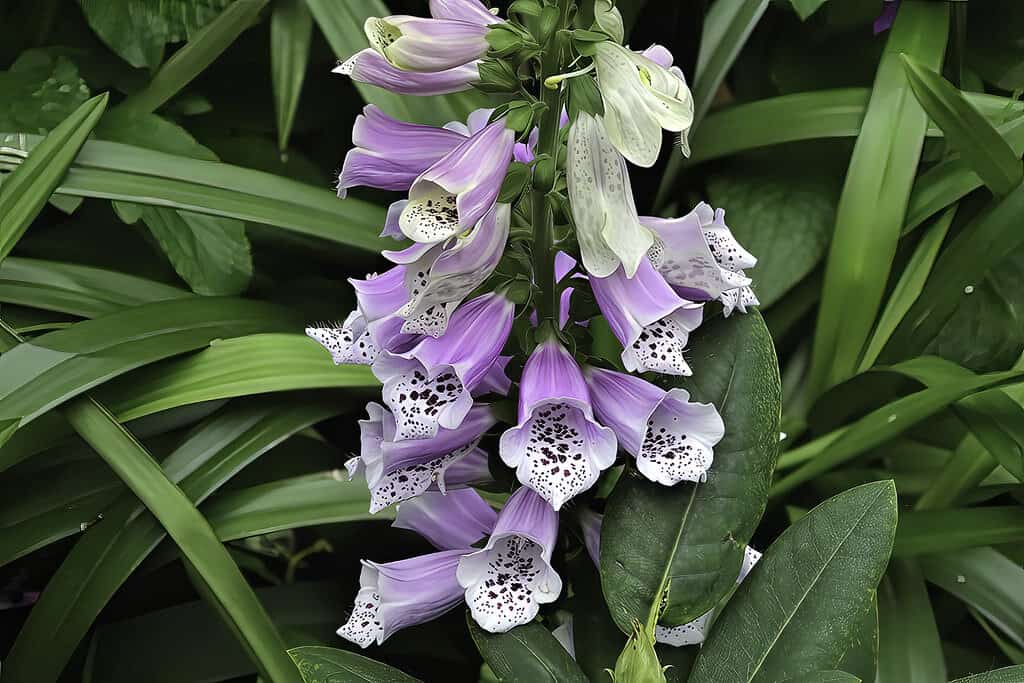
Foxgloves are renowned for their tall, spire-like flower stalks adorned with bell-shaped blossoms. Common shades include pink, purple, and white. They thrive in partial shade to full sun and prefer well-drained soil.
2. Sweet William (Dianthus barbatus)
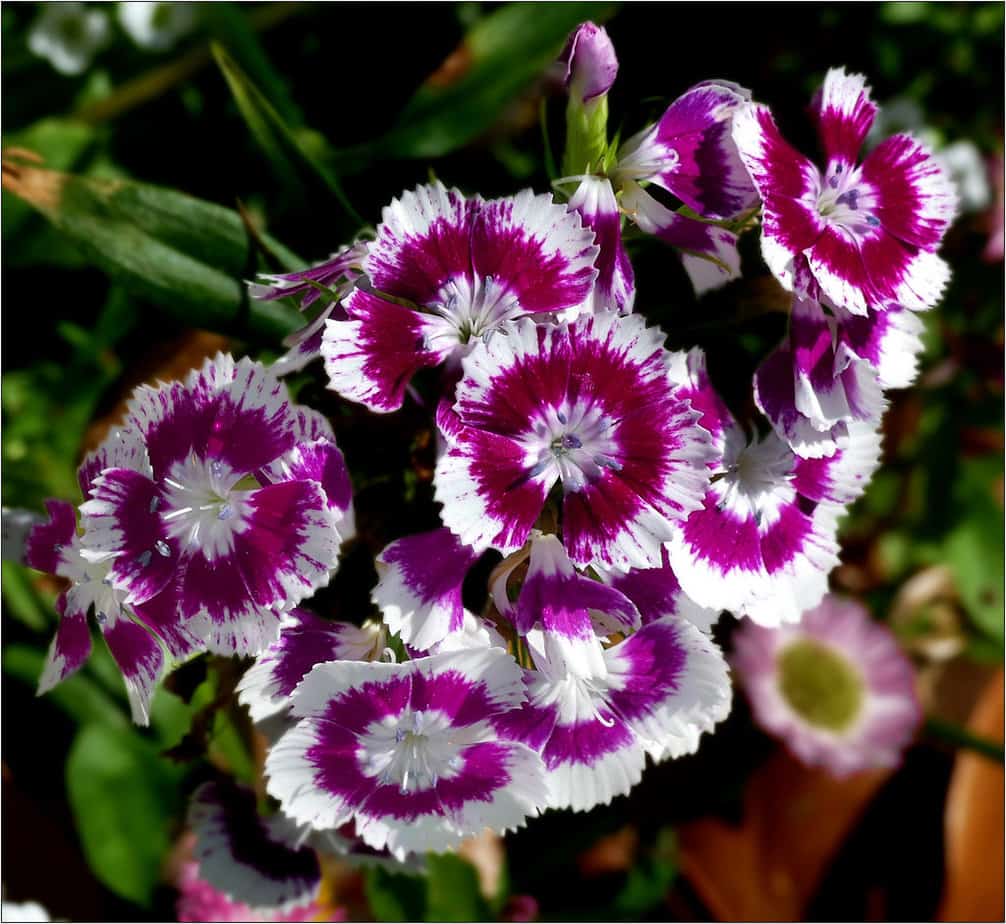
Sweet William produces clusters of fragrant, multicoloured flowers in red, pink, and white. They are adored for their spicy scent and suitability for borders and rock gardens. This biennial plant prefers full sun and well-drained soil.
3. Honesty (Lunaria annua)
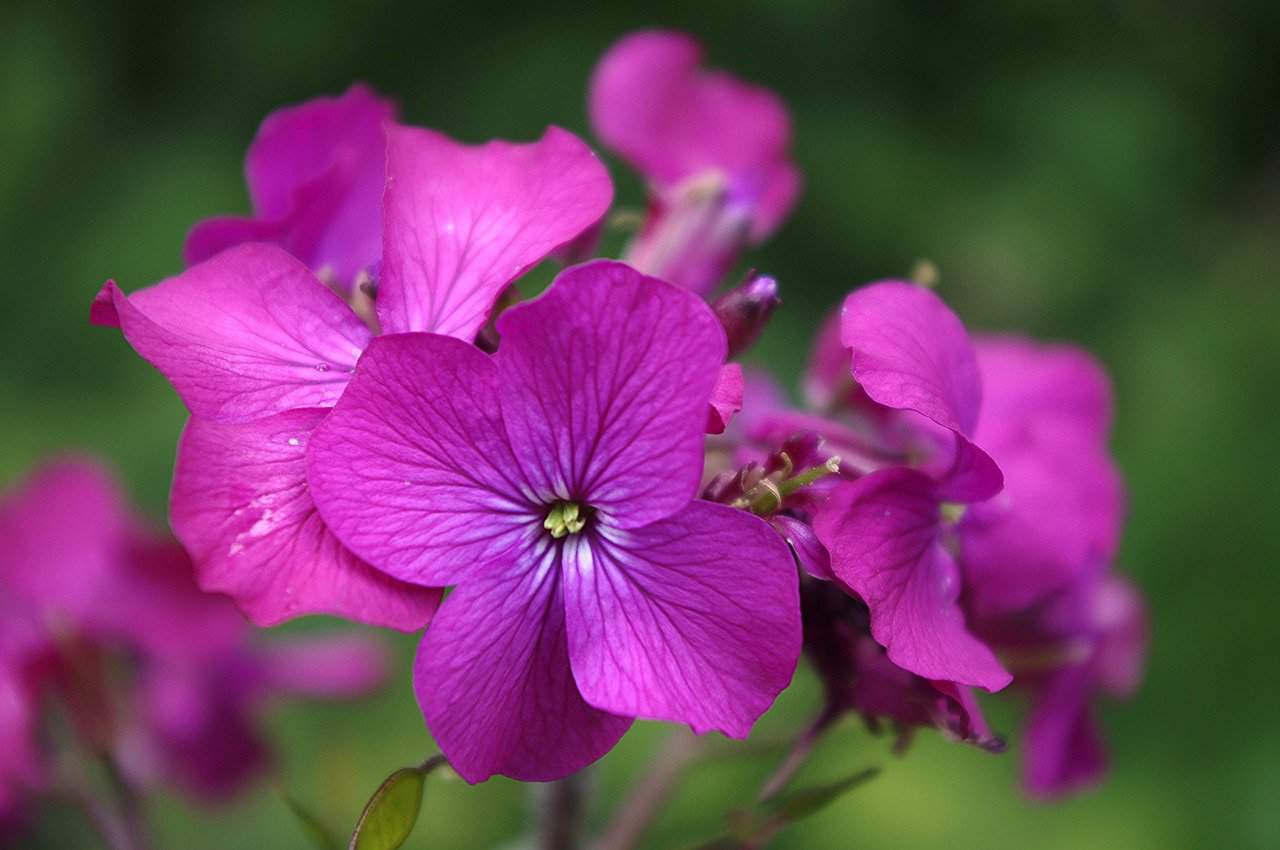
Honesty, a.k.a the silver dollar plant, is a biennial that offers captivating silvery seed pods. In the second year, these paper-thin pods develop after the plant’s flowering phase.
They provide a unique visual interest and can be used for dried flower arrangements.
4. Canterbury bells (Campanula medium)
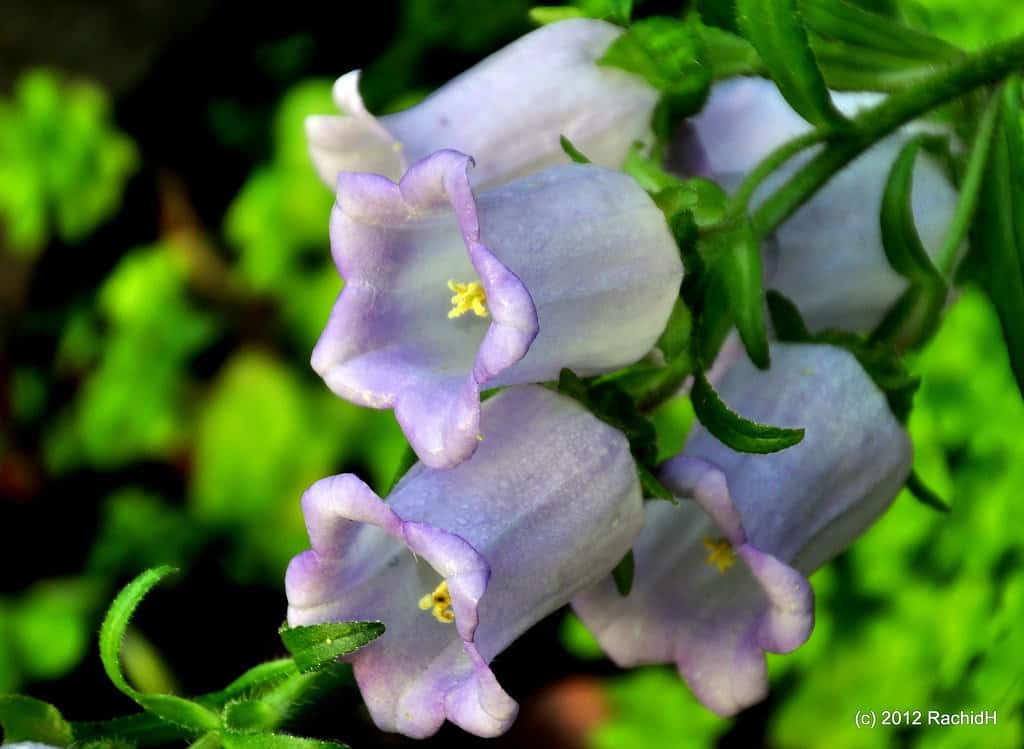
Canterbury Bells are biennial plants with bell-shaped flowers in blue, pink, and white. They’re often used for cottage-style or traditional plantings. These plants create a charming display when planted en masse.
Understanding Perennial Plants
Perennial plants are a cornerstone of garden landscapes. Like annuals, they complete their life cycle within a year. They germinate from seeds, grow, bloom, and produce seeds. Then eventually die, all in the span of one growing season. As a result, they need to be replanted each year to maintain their presence in the garden.
Here are some examples of common perennial plants and their characteristics:
1. Daylilies (Hemerocallis)
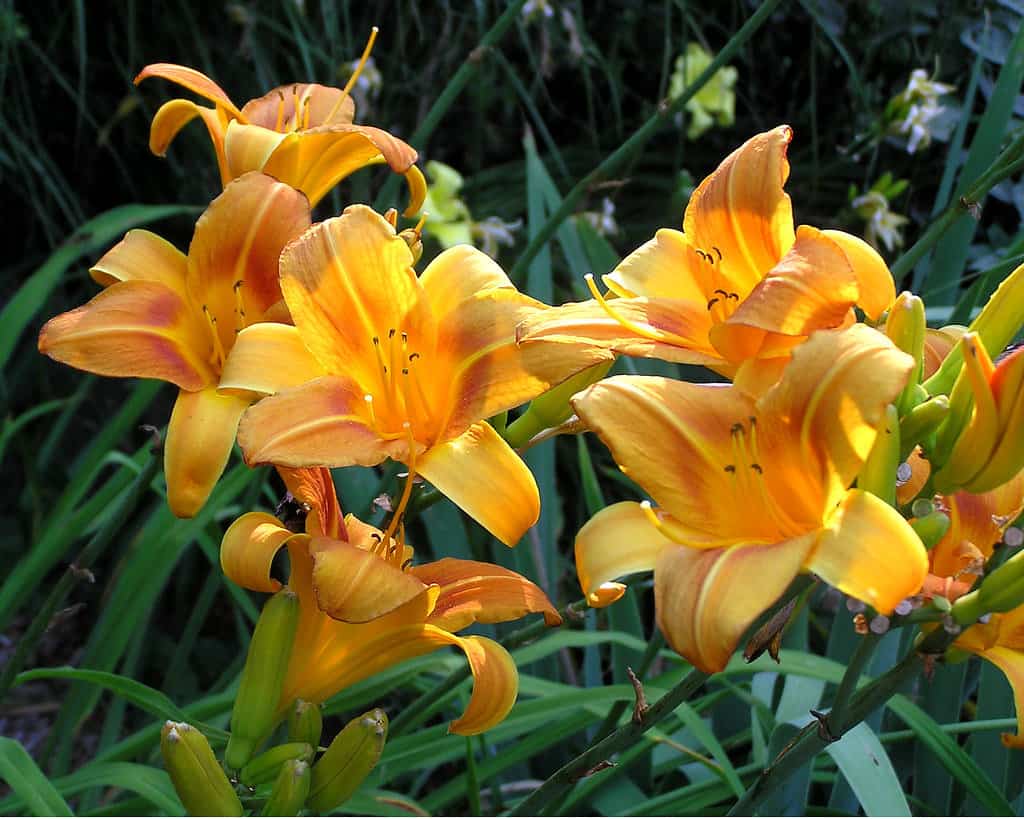
Daylilies are known for their vibrant, trumpet-shaped flowers in various colours. They provide long-lasting blooms and can be used as borders, ground covers, or focal points.
2. Hostas
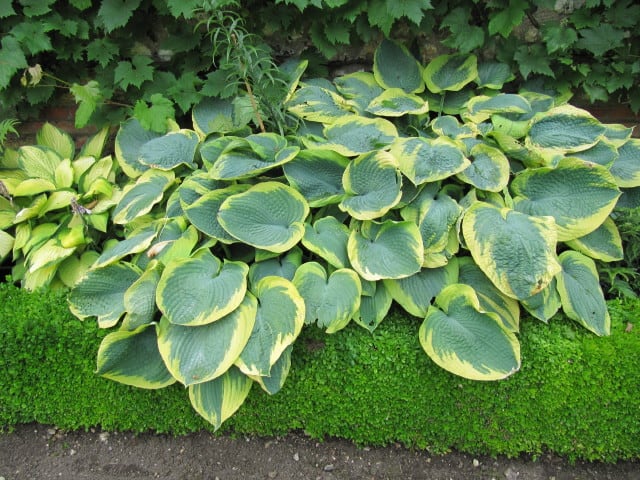
Hostas are versatile perennials valued for their attractive foliage. They come in various sizes, leaf colours, and patterns. Hostas are often used for creating lush and leafy displays.
3. Coneflowers (Echinacea)
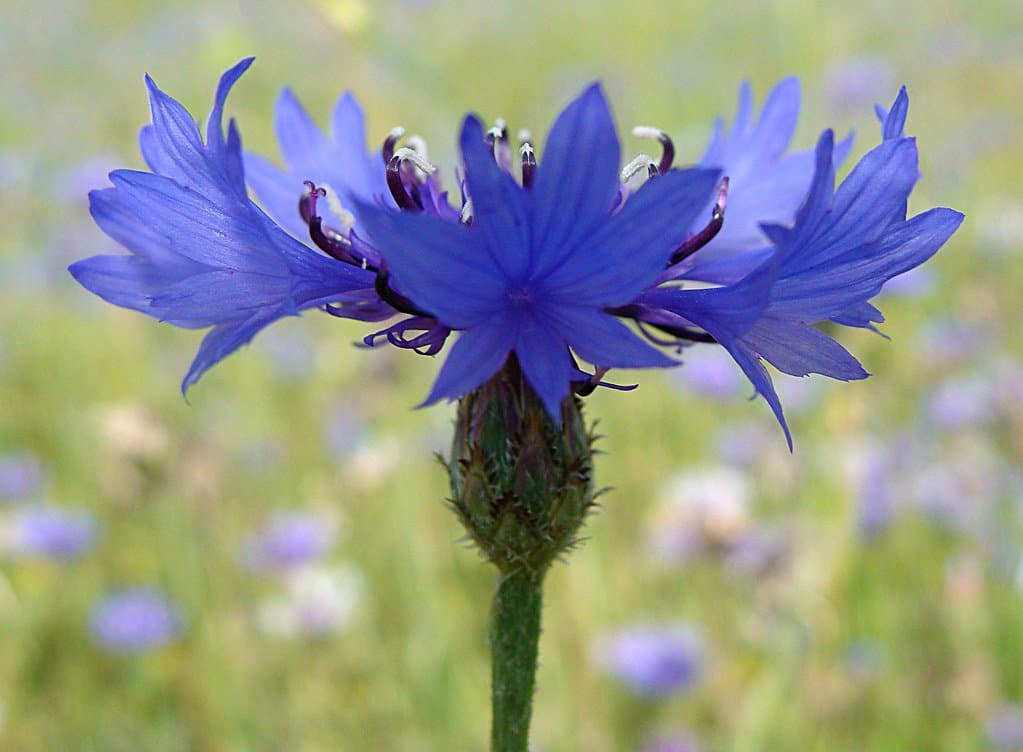
Coneflowers are hardy perennials adored for their daisy-like flowers with distinctive cone-shaped centres. They come in a range of vibrant colours and attract pollinators to the garden.
4. Peonies (Paeonia)
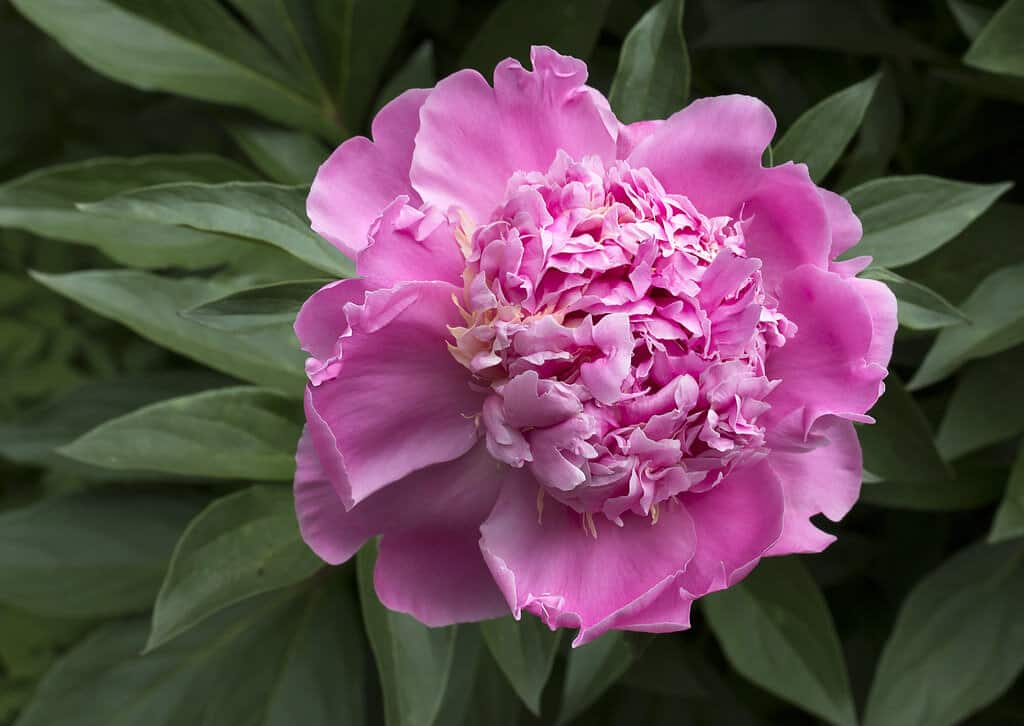
Peonies are beloved for their luxurious, fragrant blooms. They usually grace the garden in late spring to early summer. These perennials offer a wide variety of colours and forms, from single to double blooms.
Round-up
Understanding the differences between annuals, biennials, and perennials is essential. With this plant identification guide, you may distinguish each type with confidence. Whether you’re a plant enthusiast or gardener, it’ll surely come in handy.
And who knows, you might find yourself eager to grow these fast growing flowers from seeds. To embark on this adventure, why not explore our range of garden greenhouses? Pair it with our reliable garden tools, such as the folding garden kneeler with tool set. And for proper nurturing, remember to quench your plants’ thirst with a garden hose pipe.